
Your submission has been sent
Oral and Maxillofacial Surgeon
Levon Galstyan
With a passion for precision and a commitment to transformative treatment, Dr. Galstyan has extensive experience in advanced facial reconstruction and craniofacial surgery. Dr. Galstyan's mission is to restore not only functional capabilities, but also self-confidence, helping you stand on the path to new well-being.
Preface
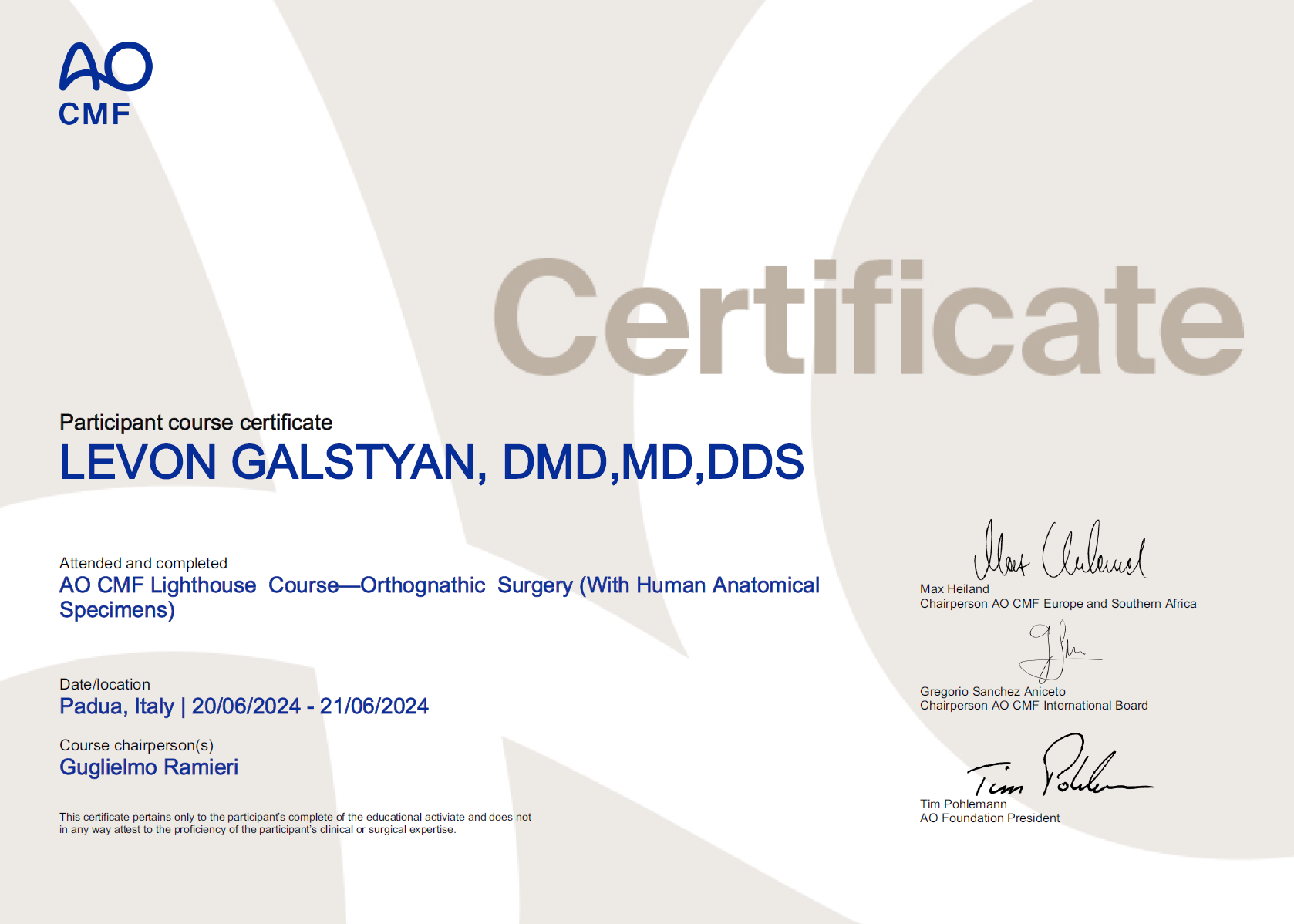
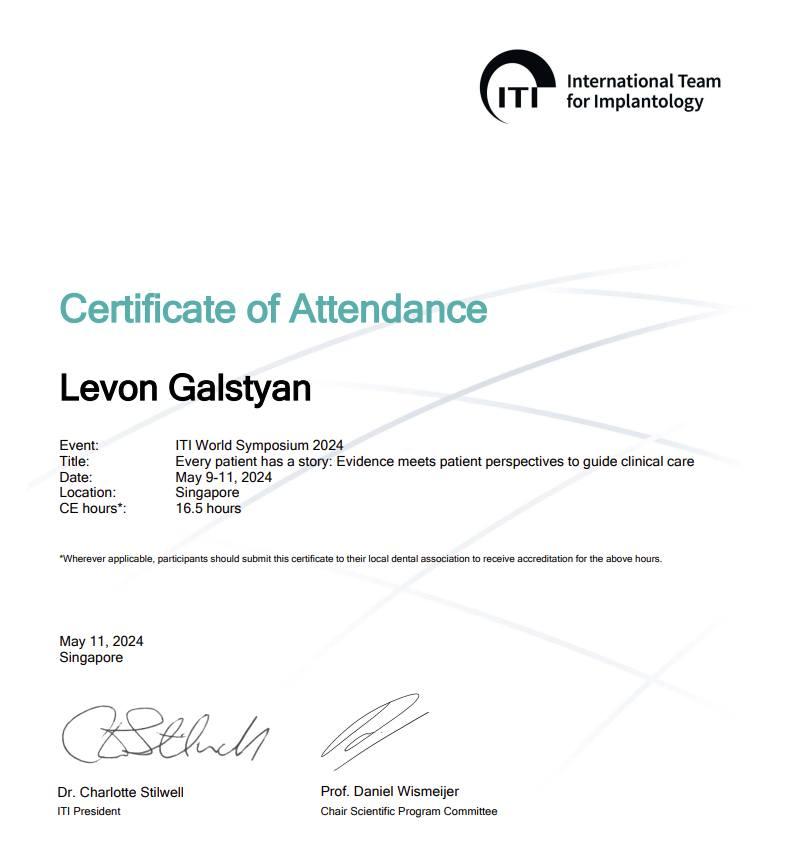
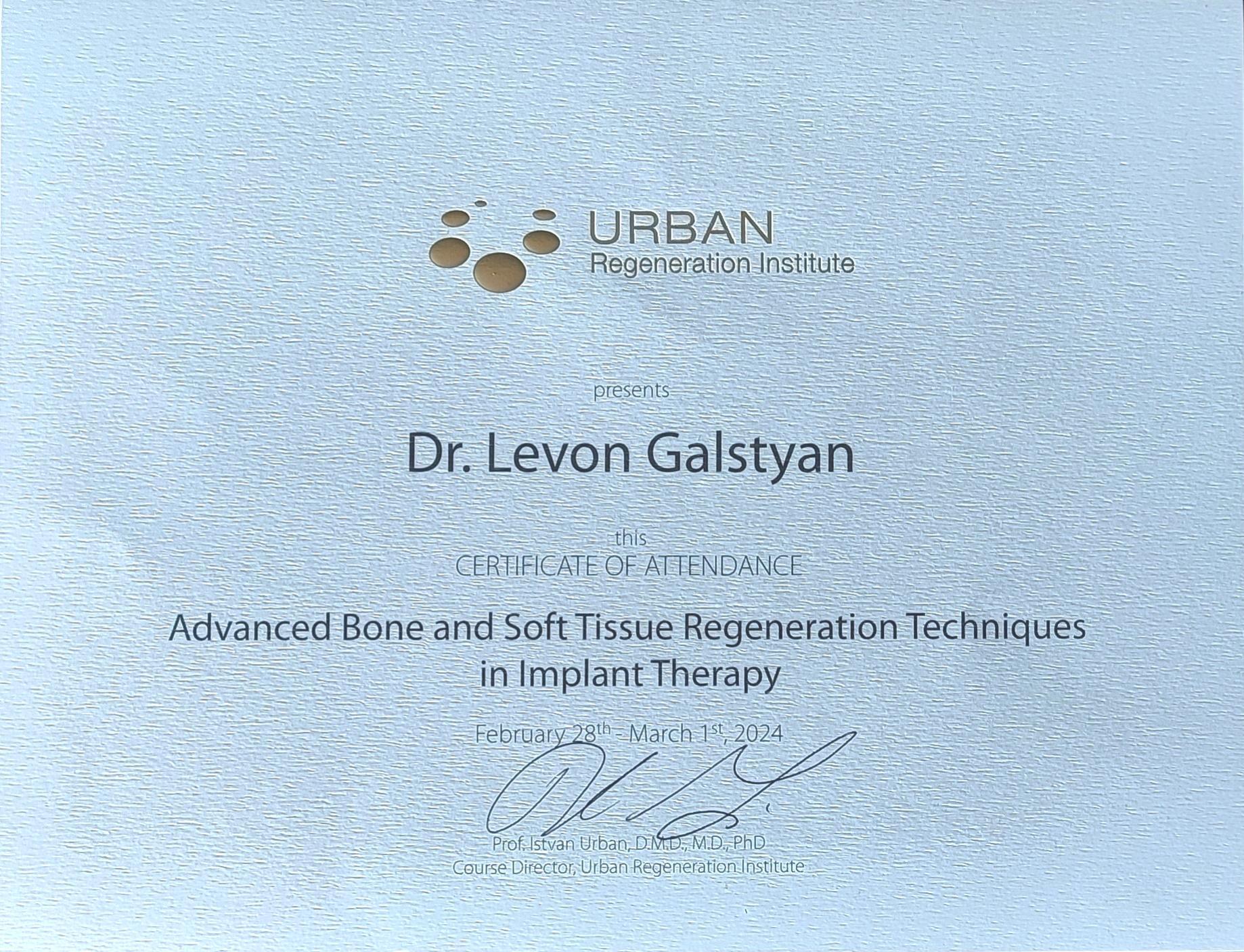
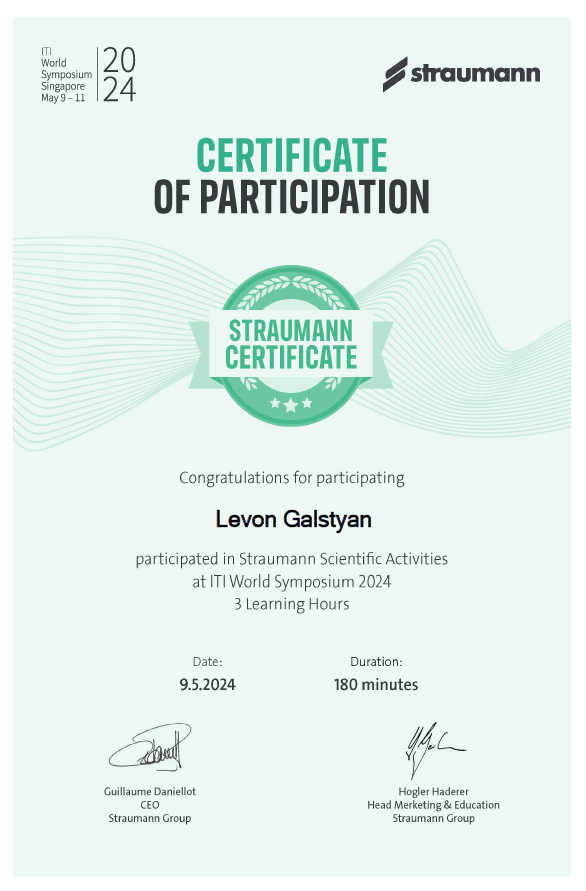
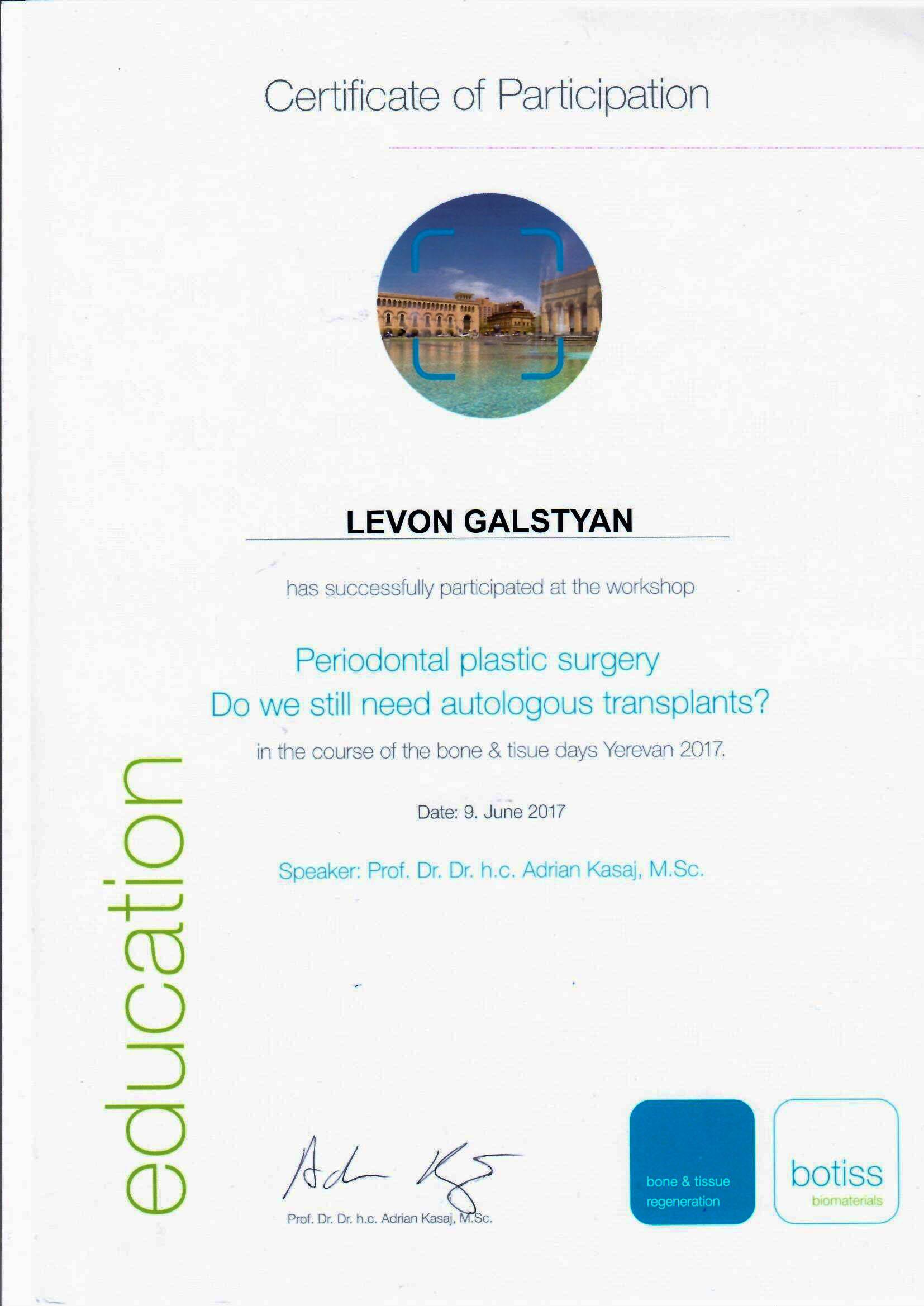
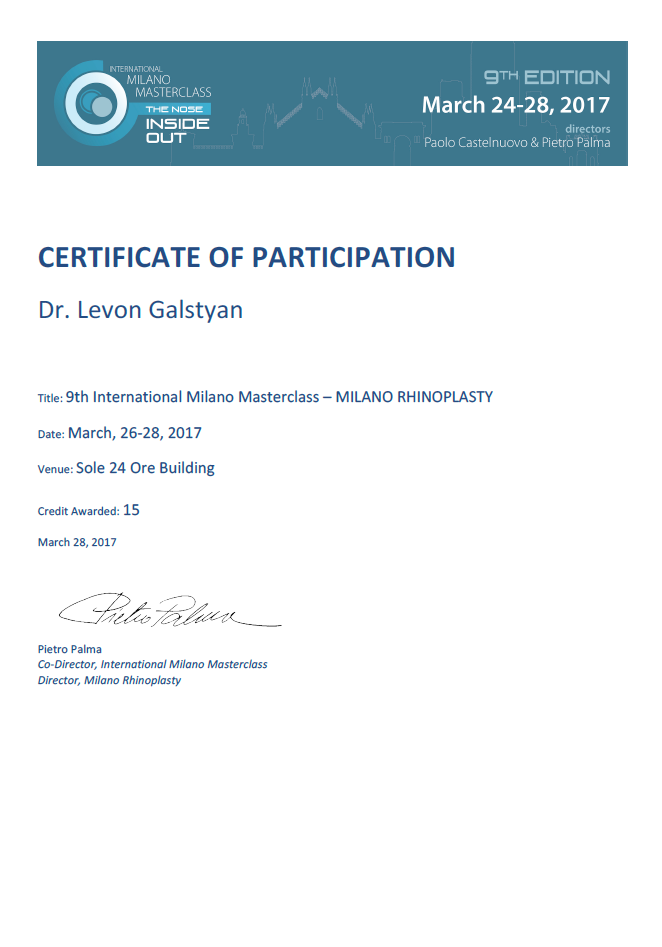
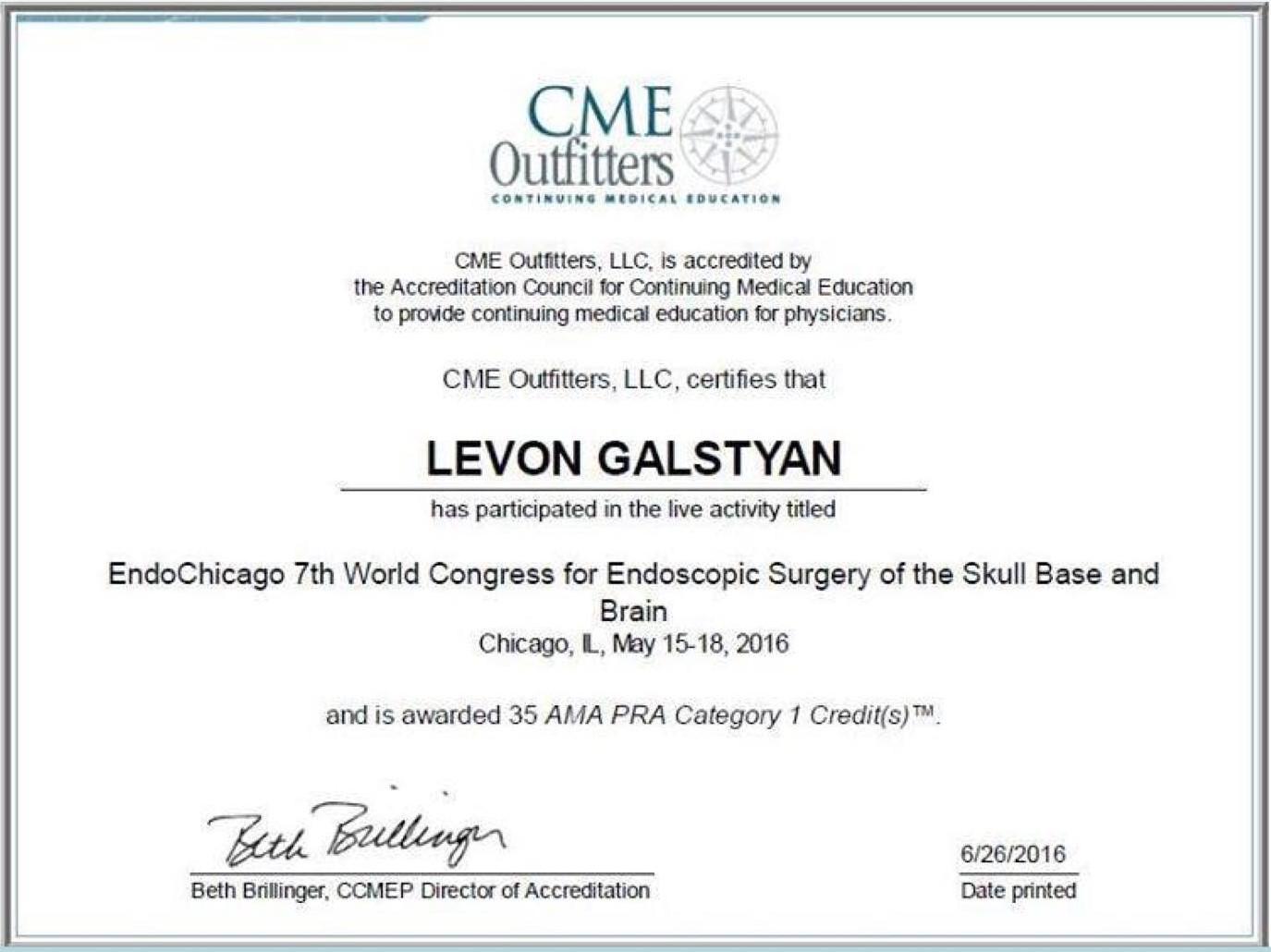
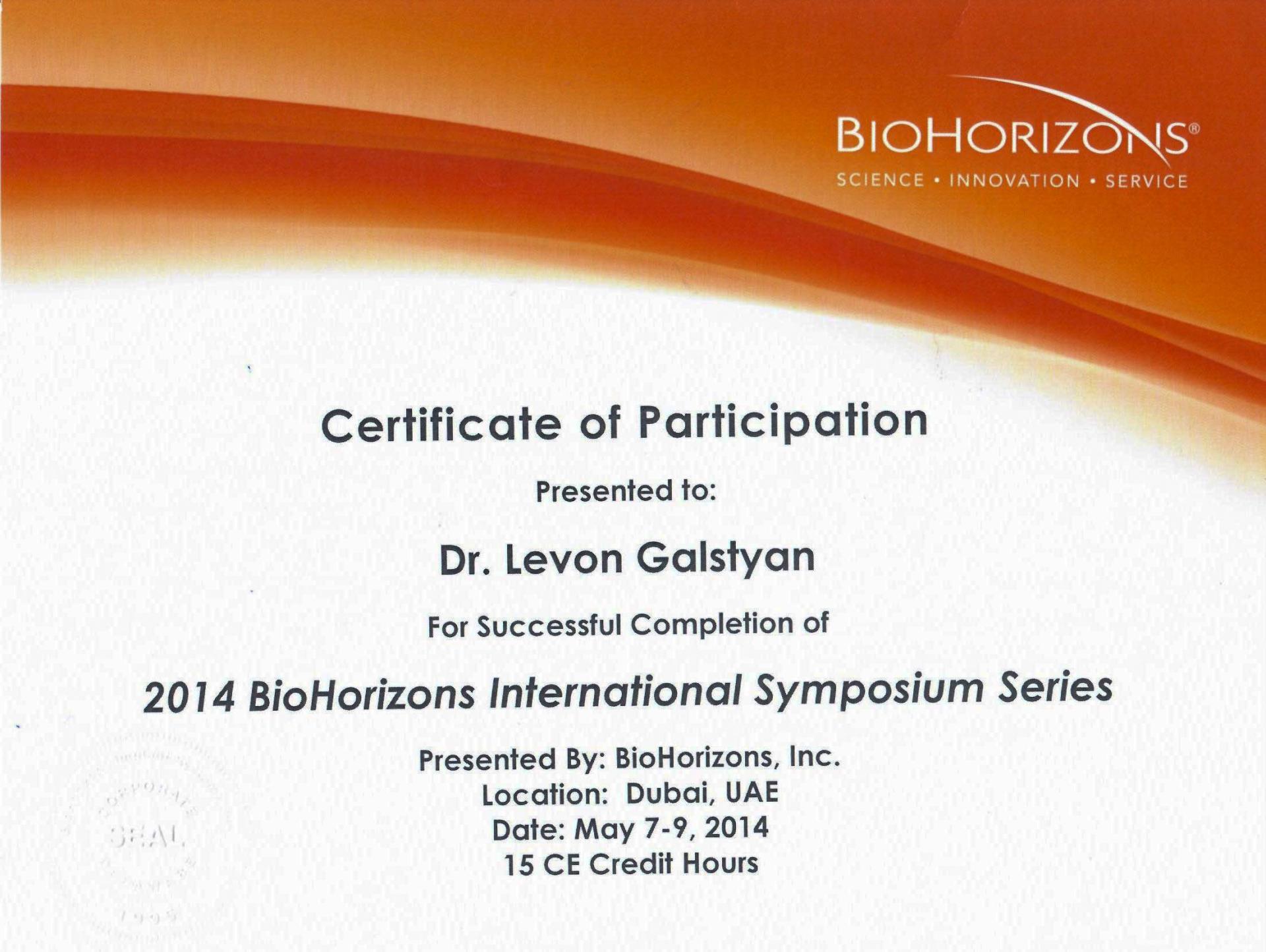
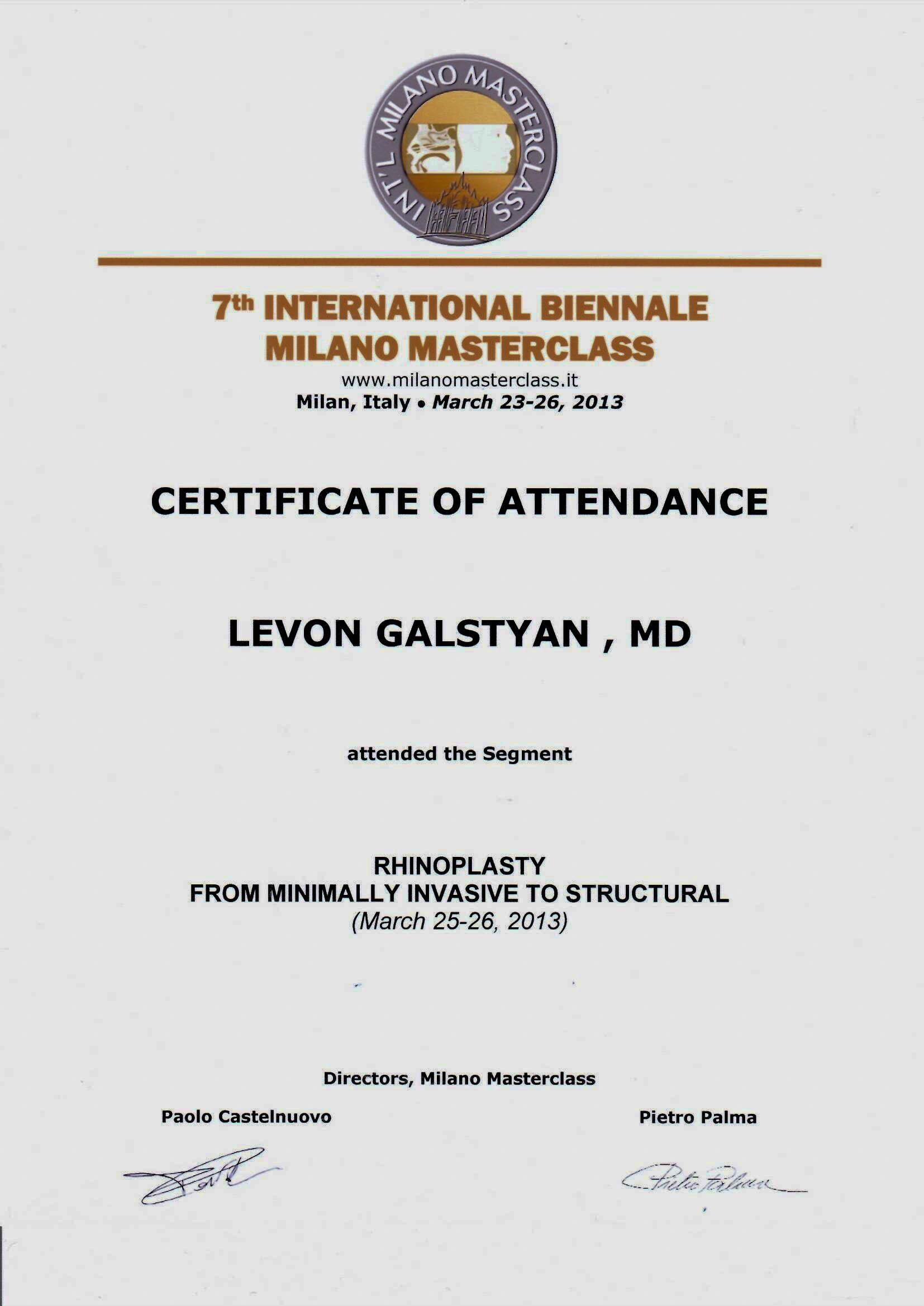
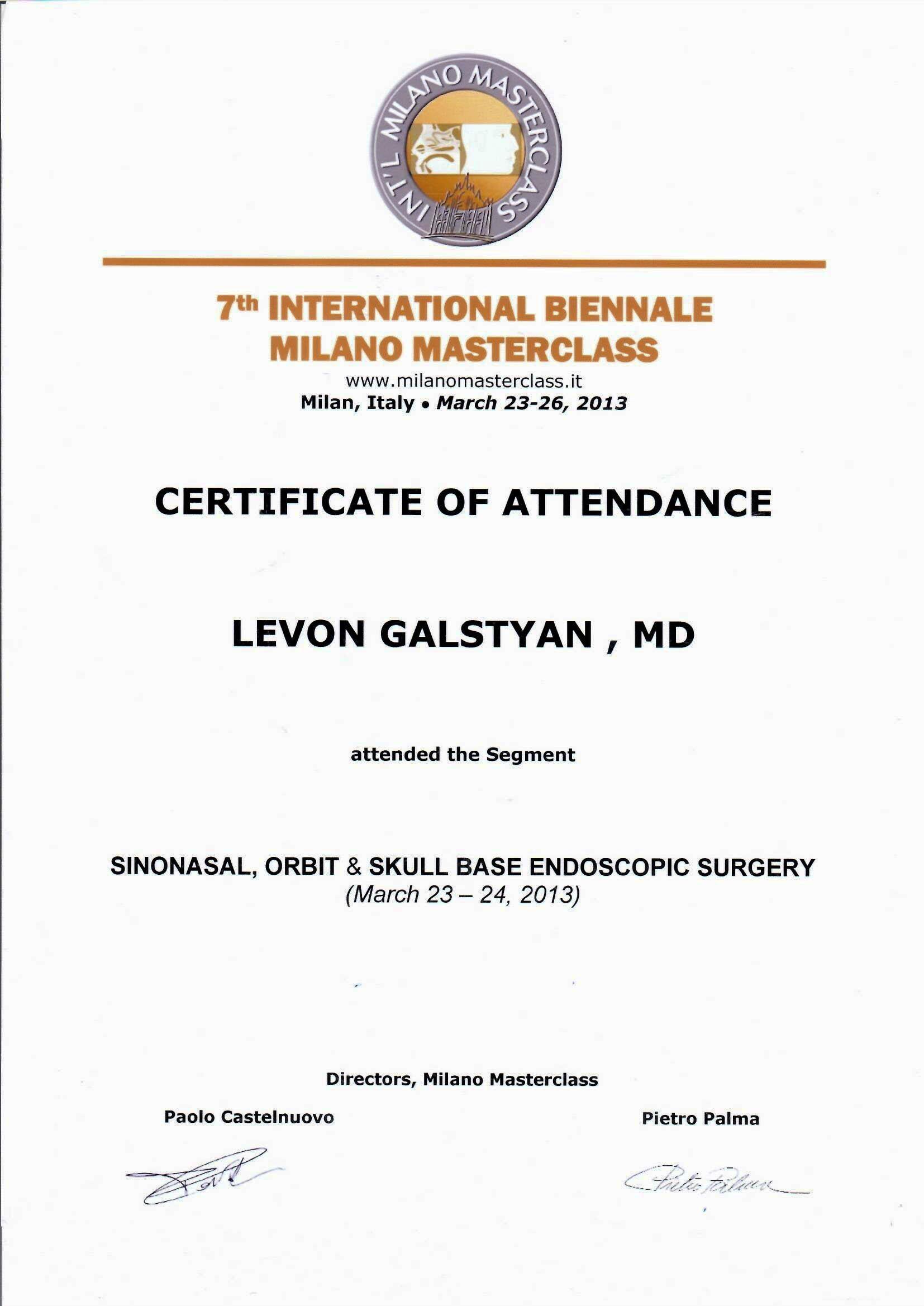
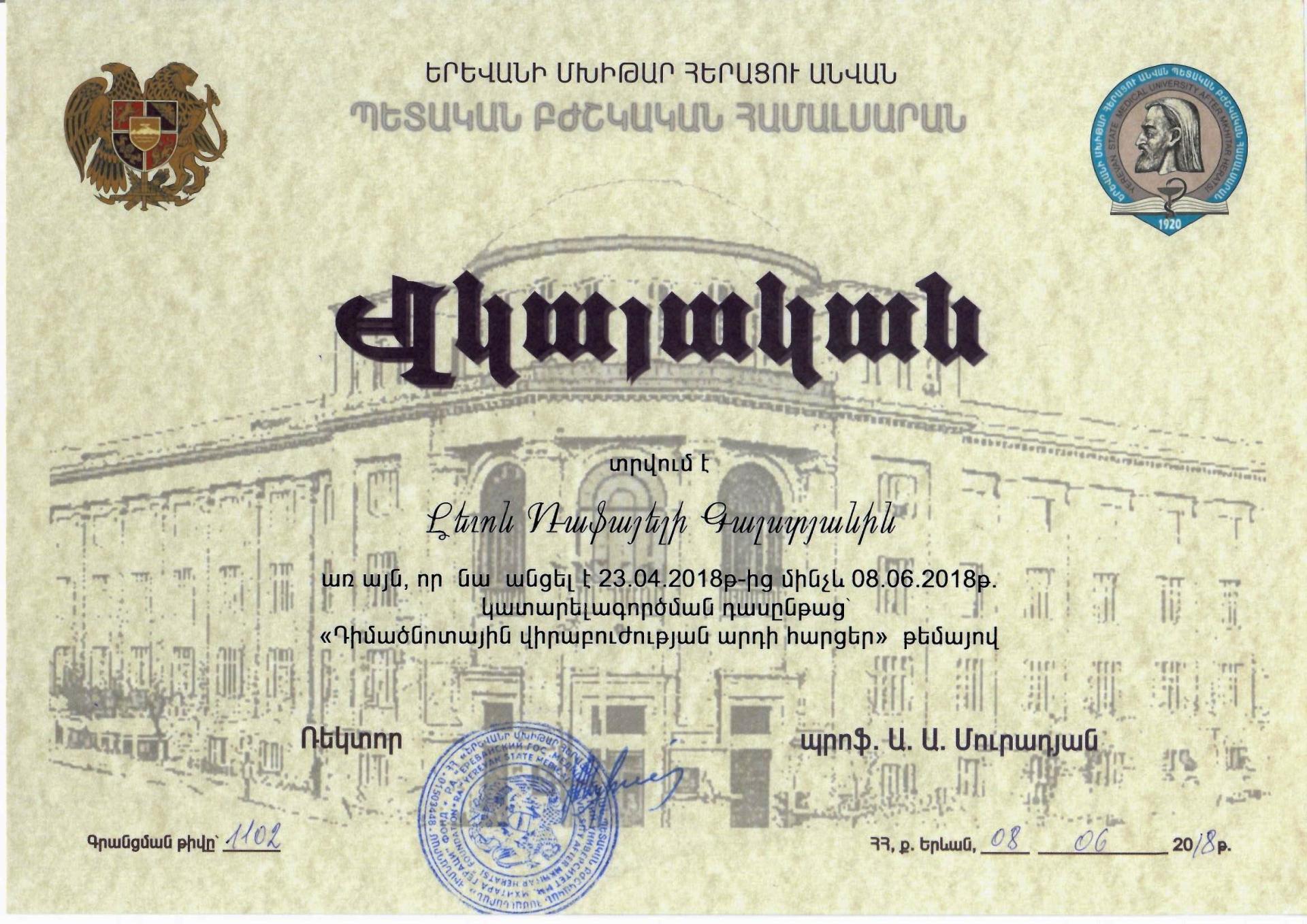
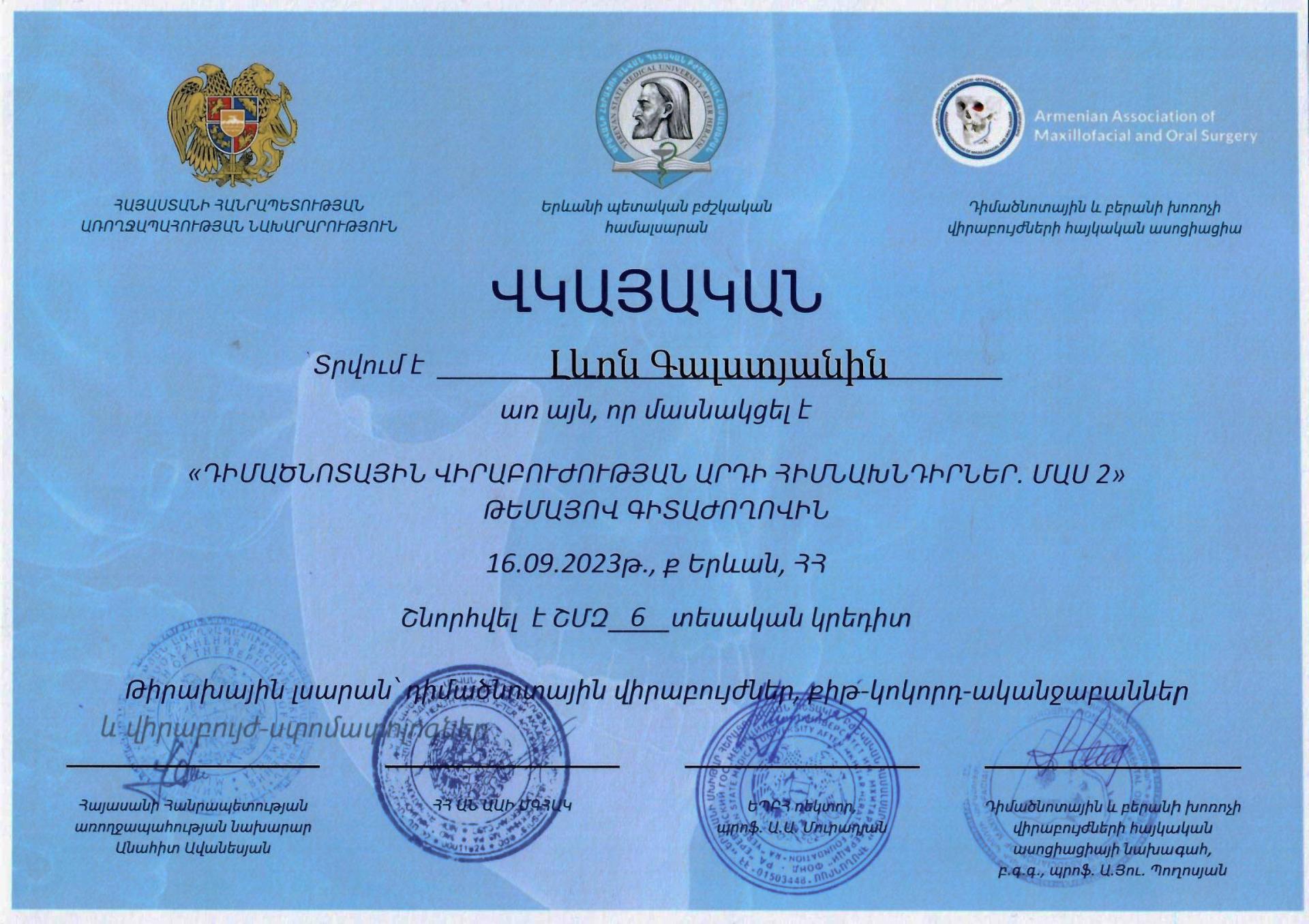
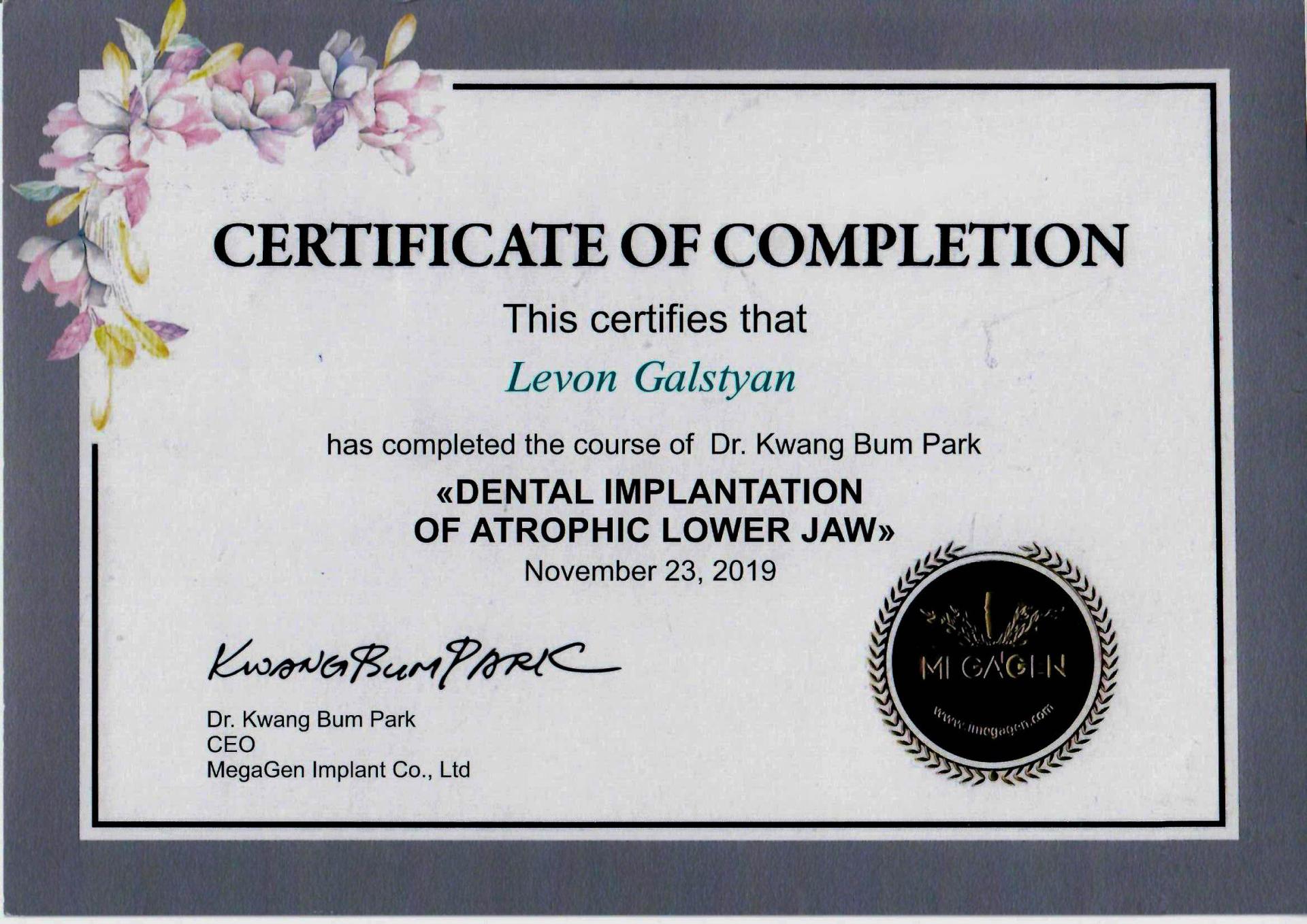
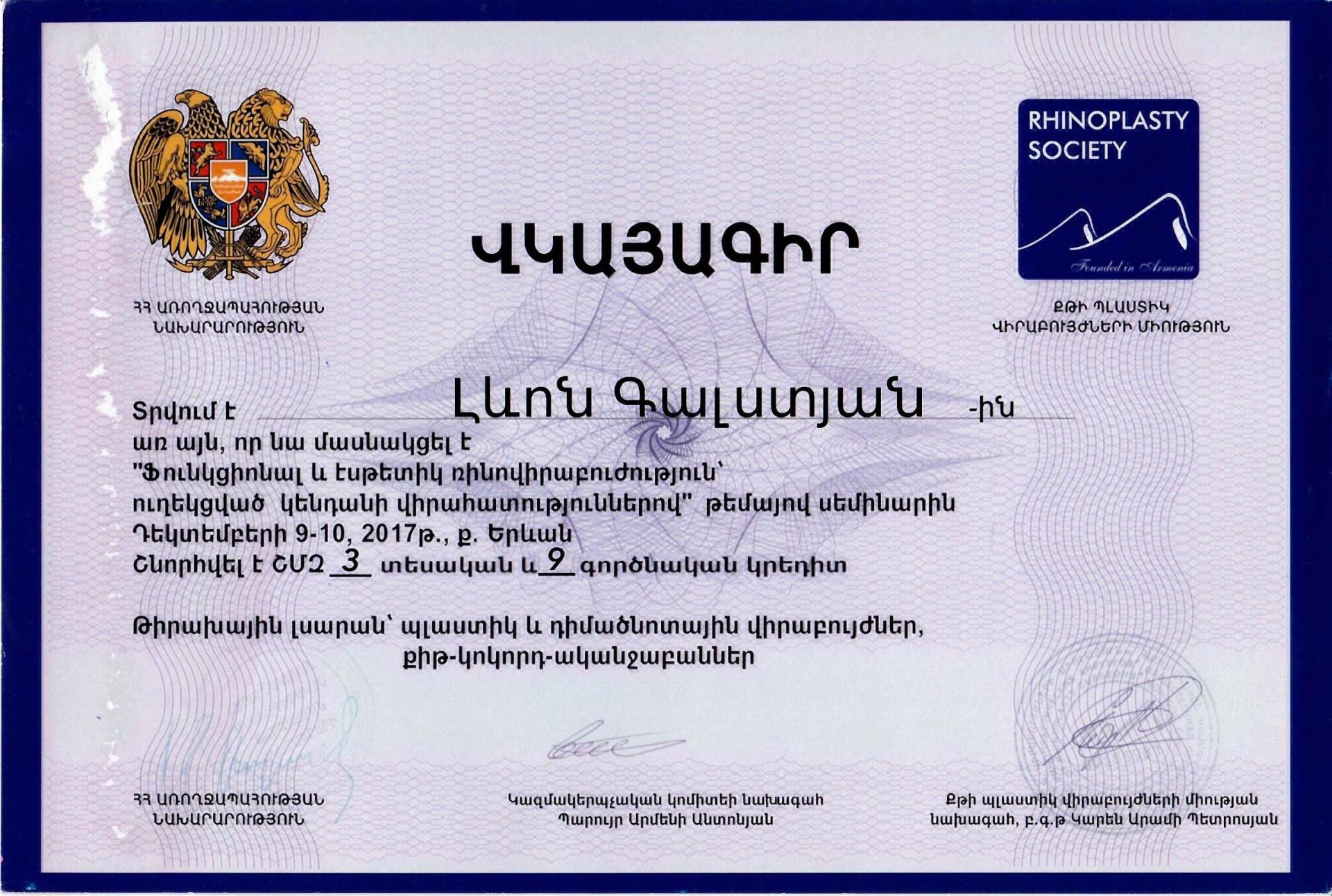
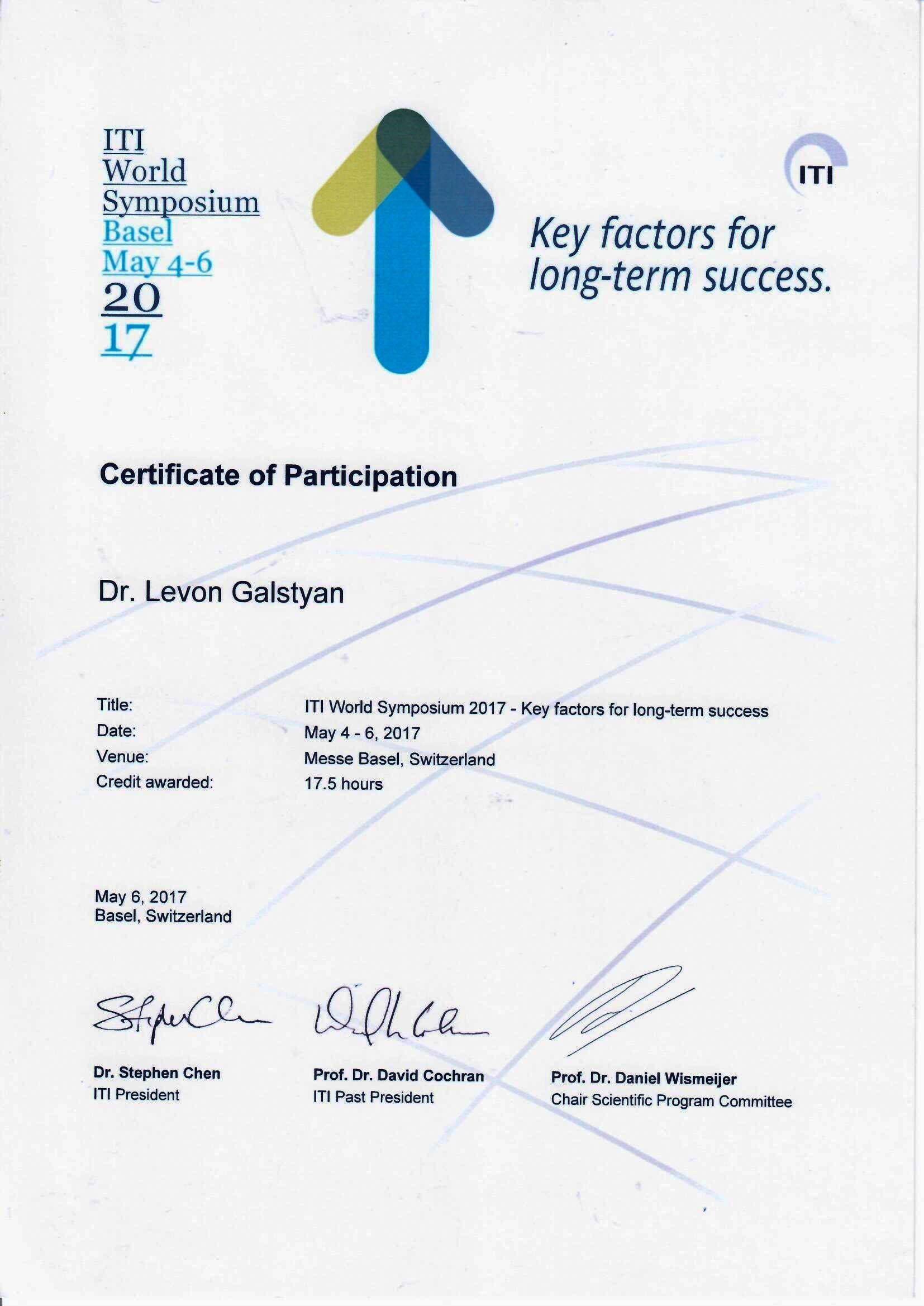
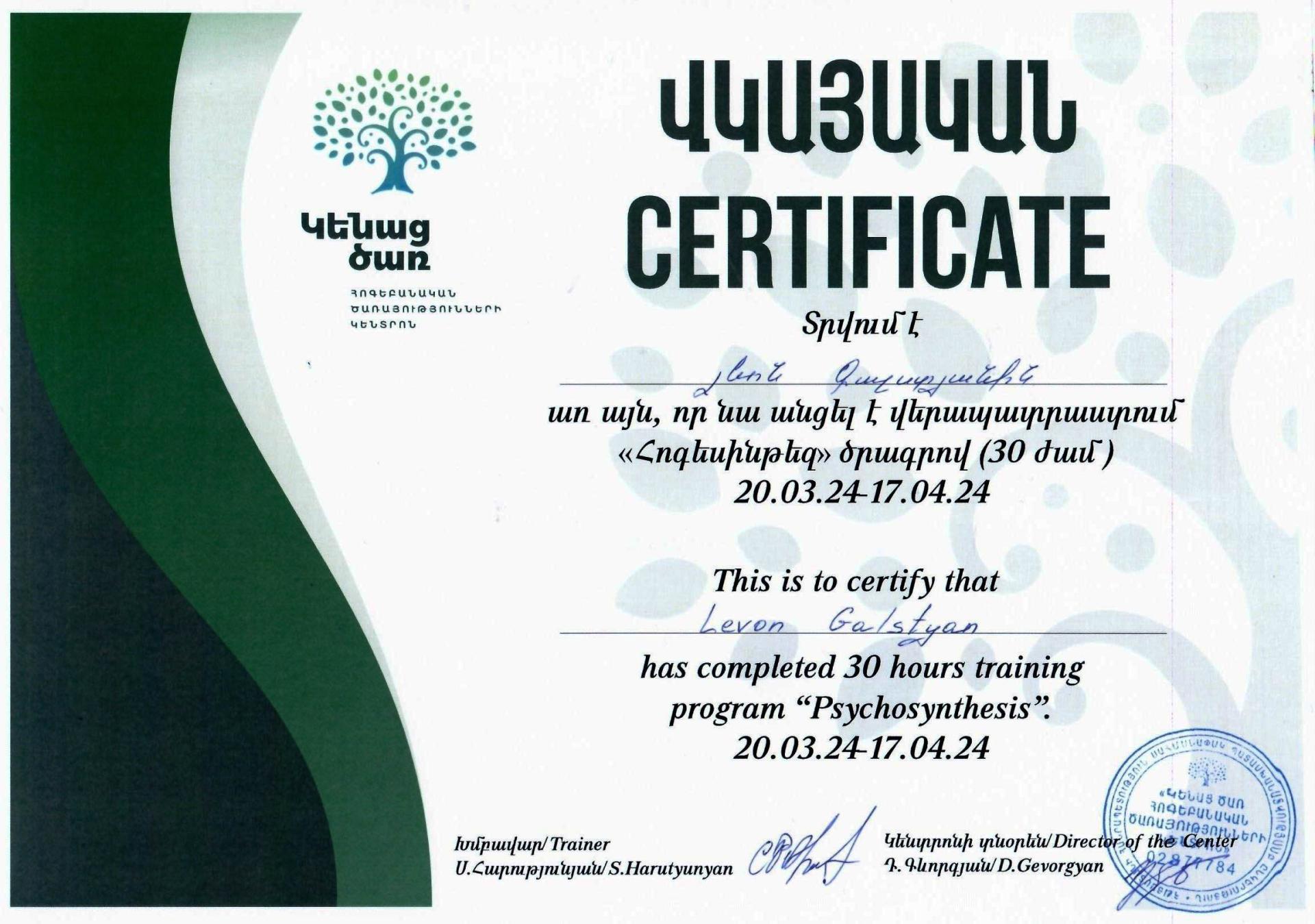
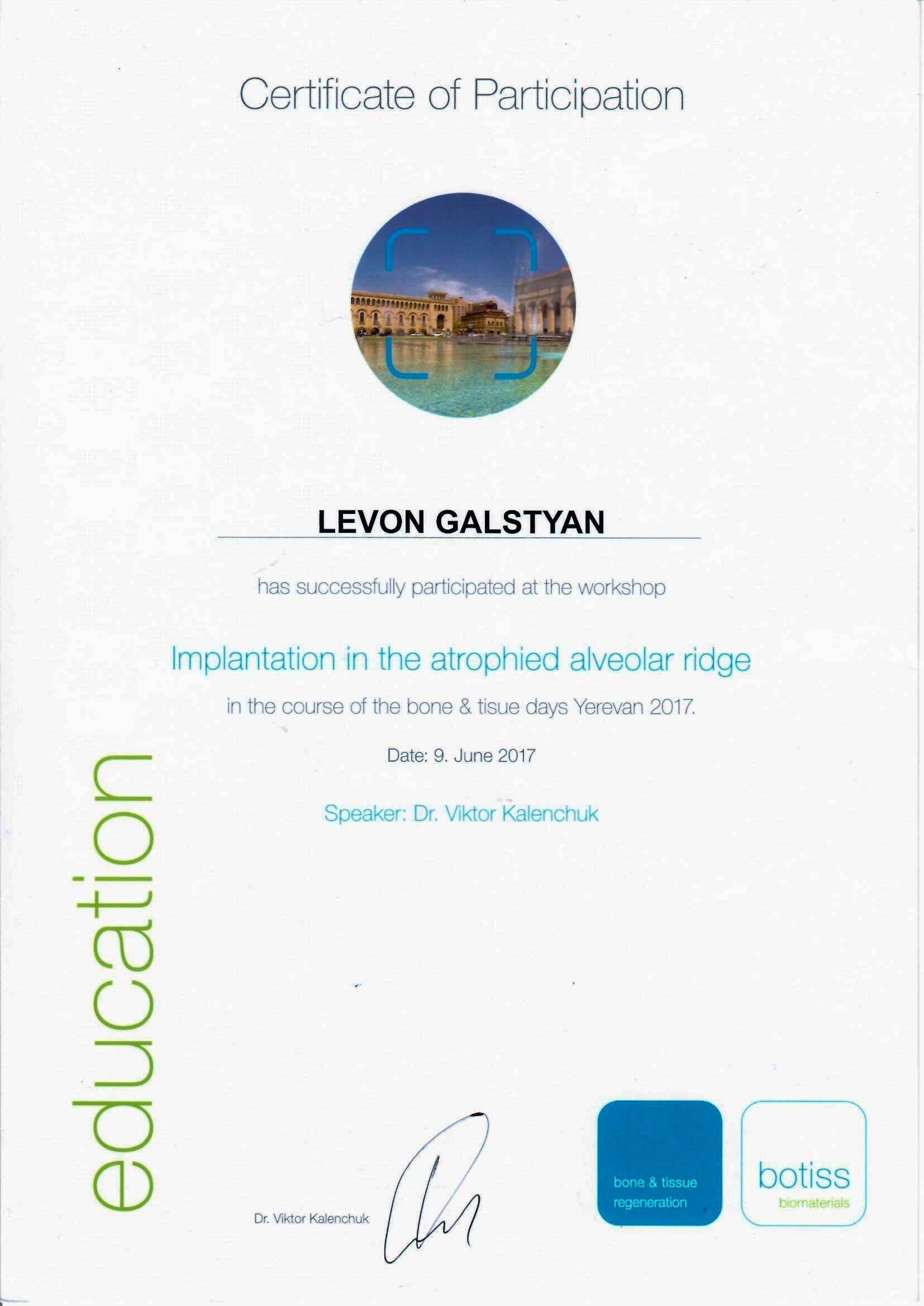
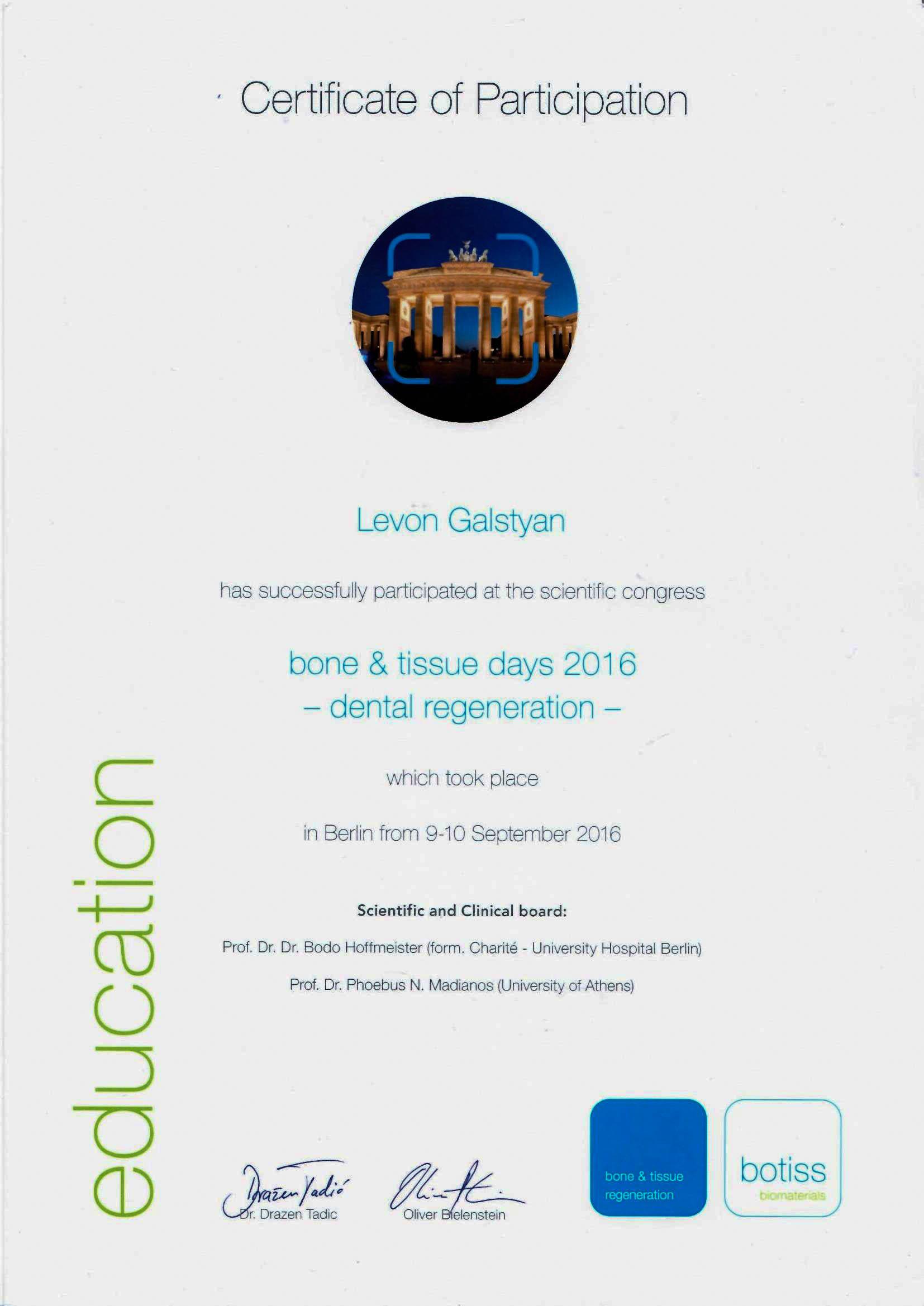
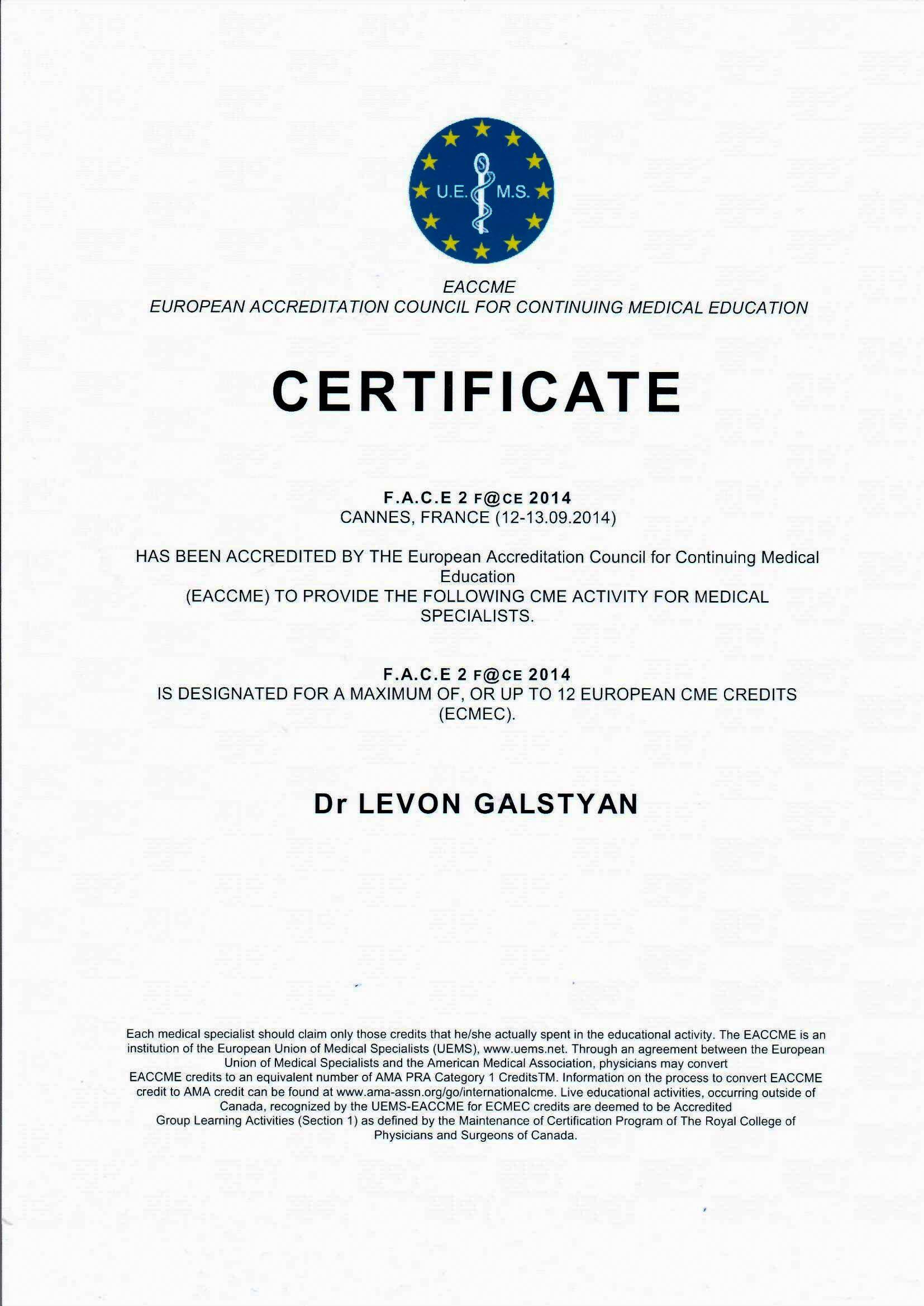
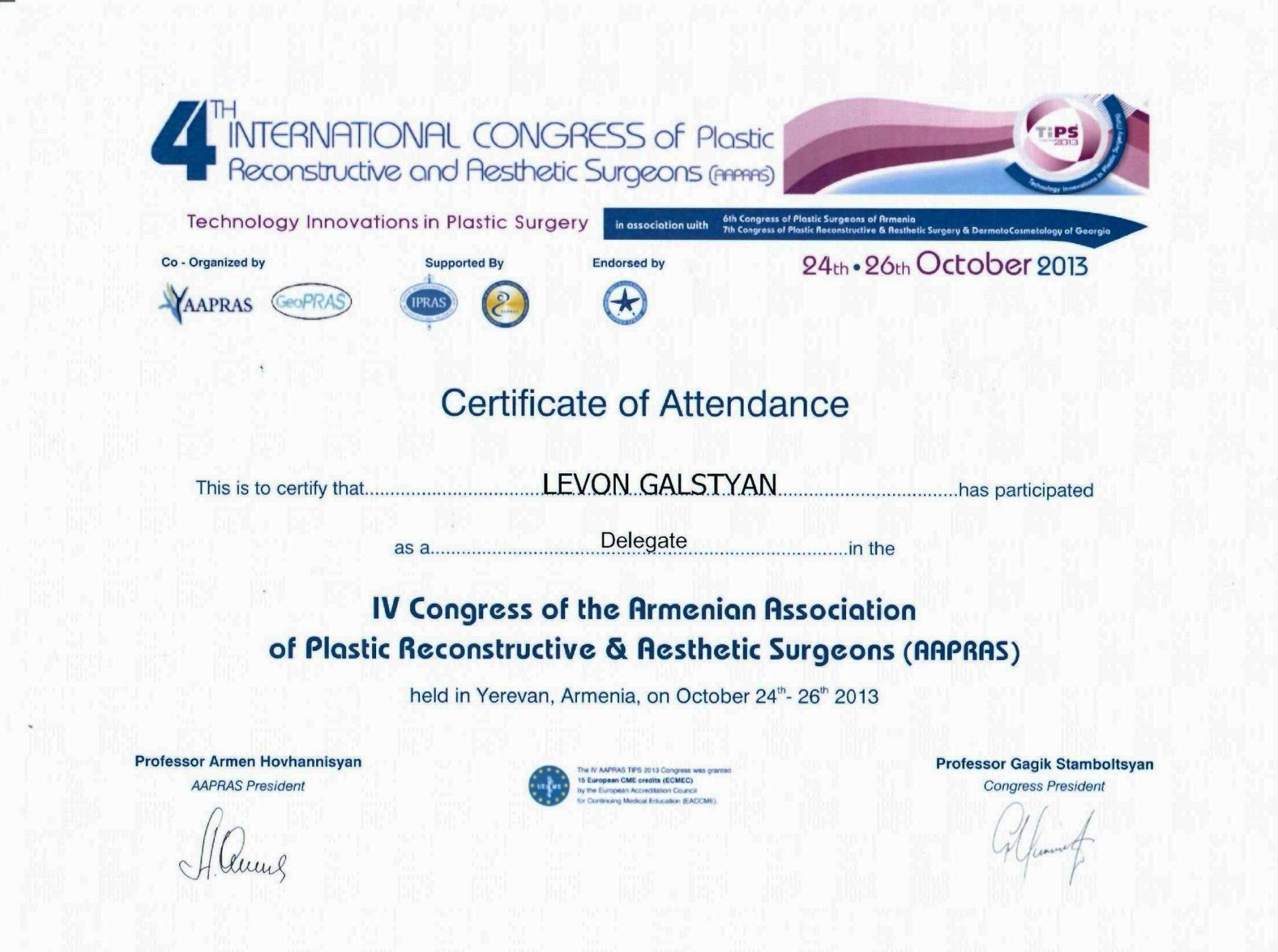
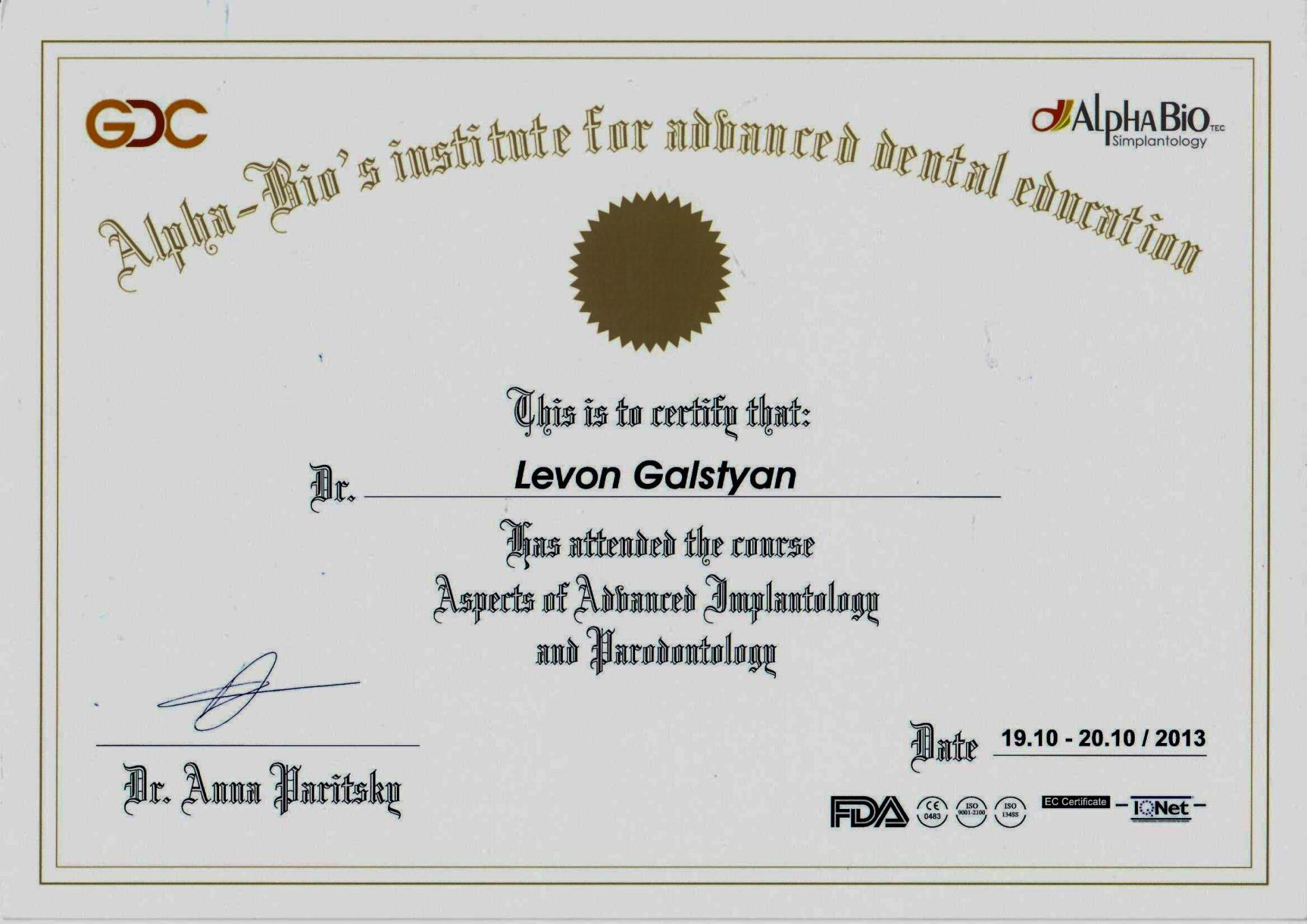
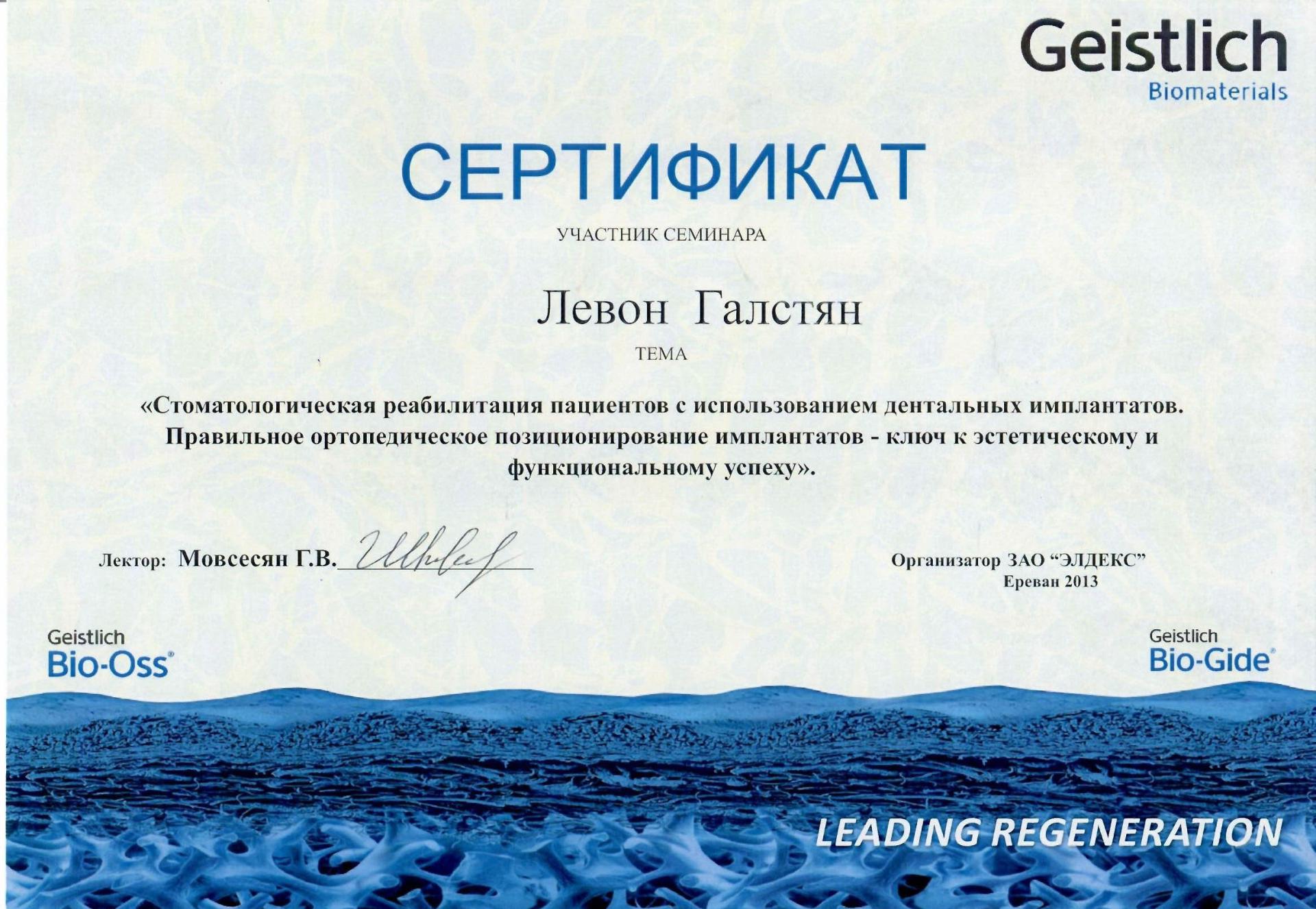
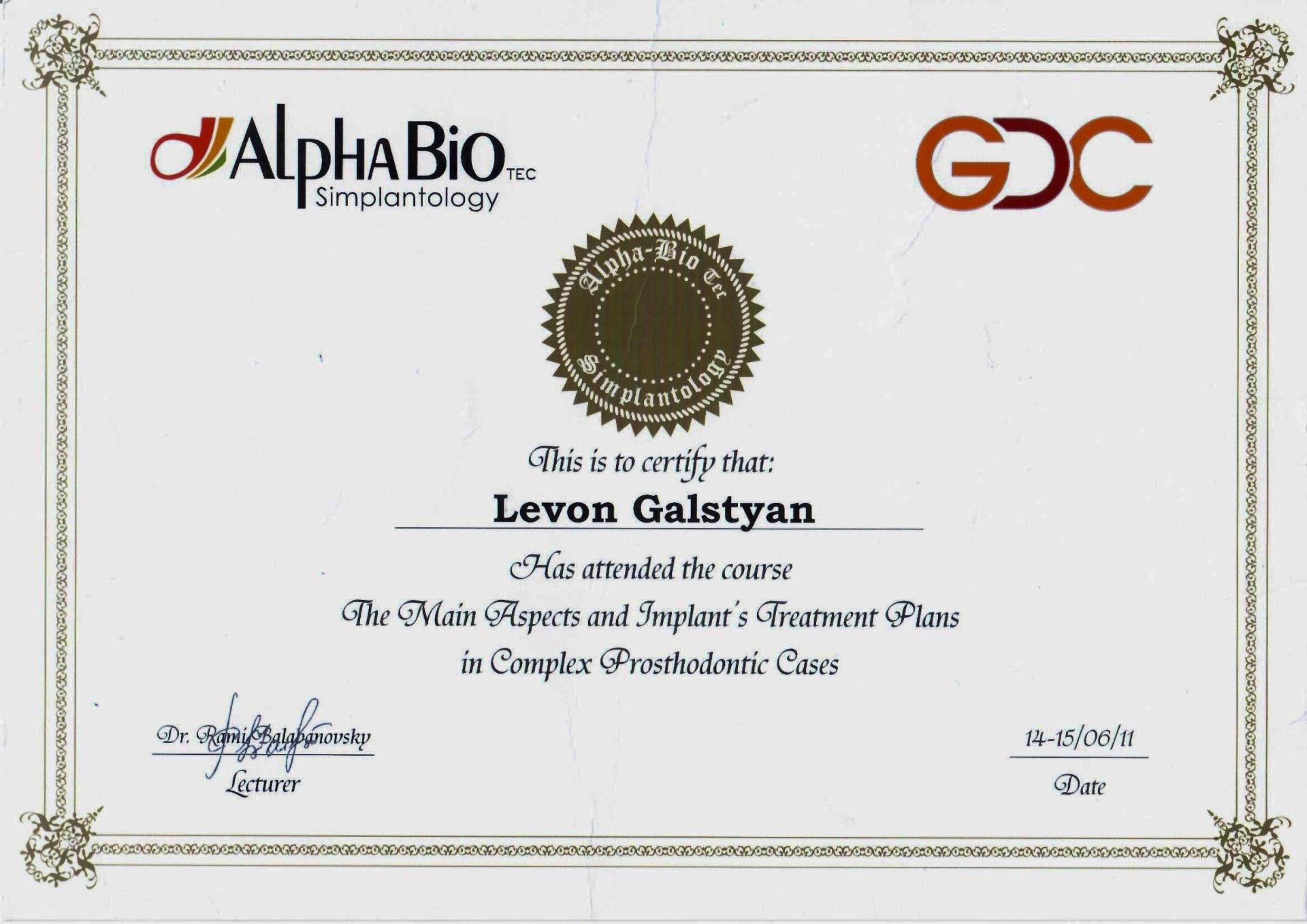
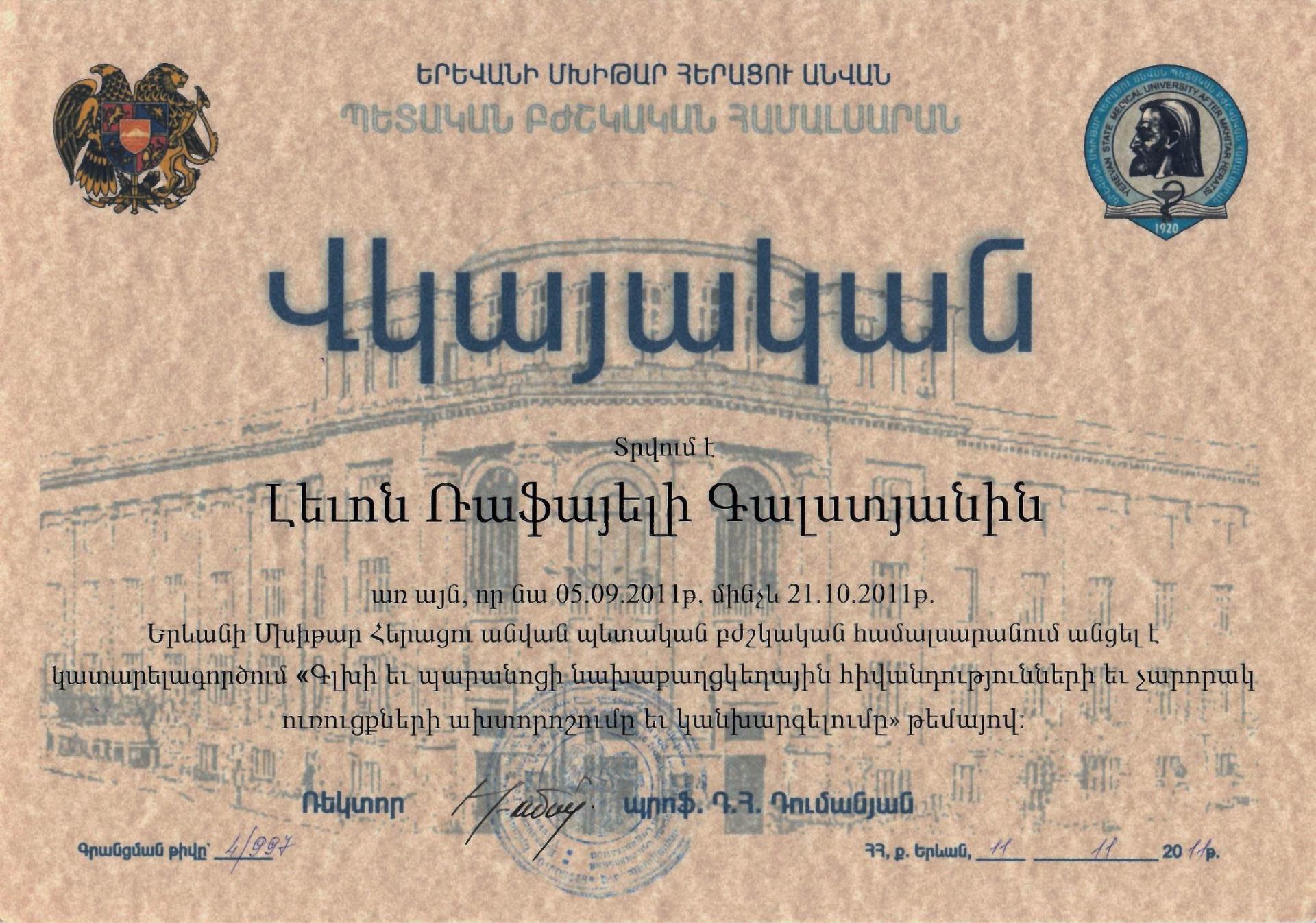
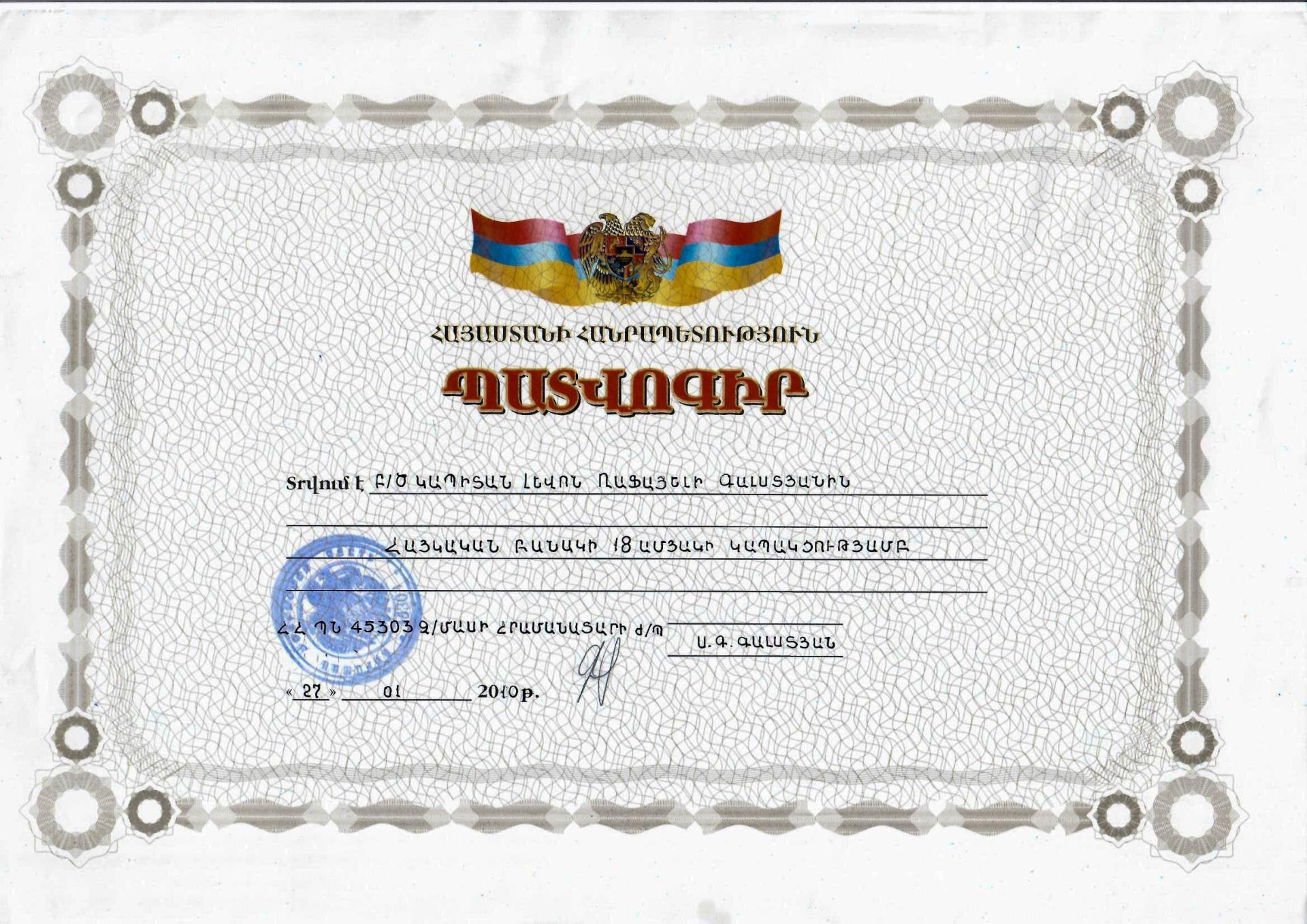
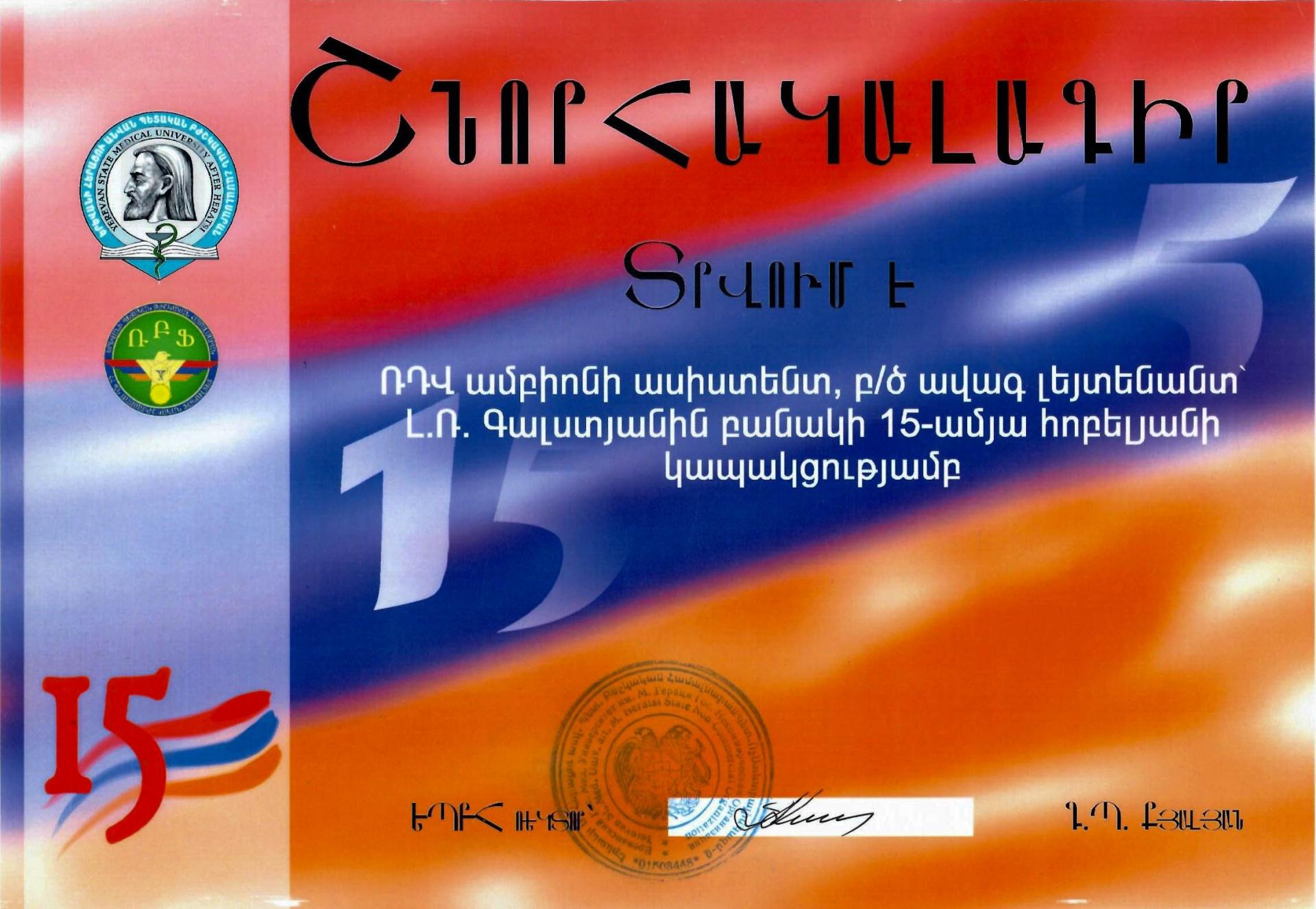
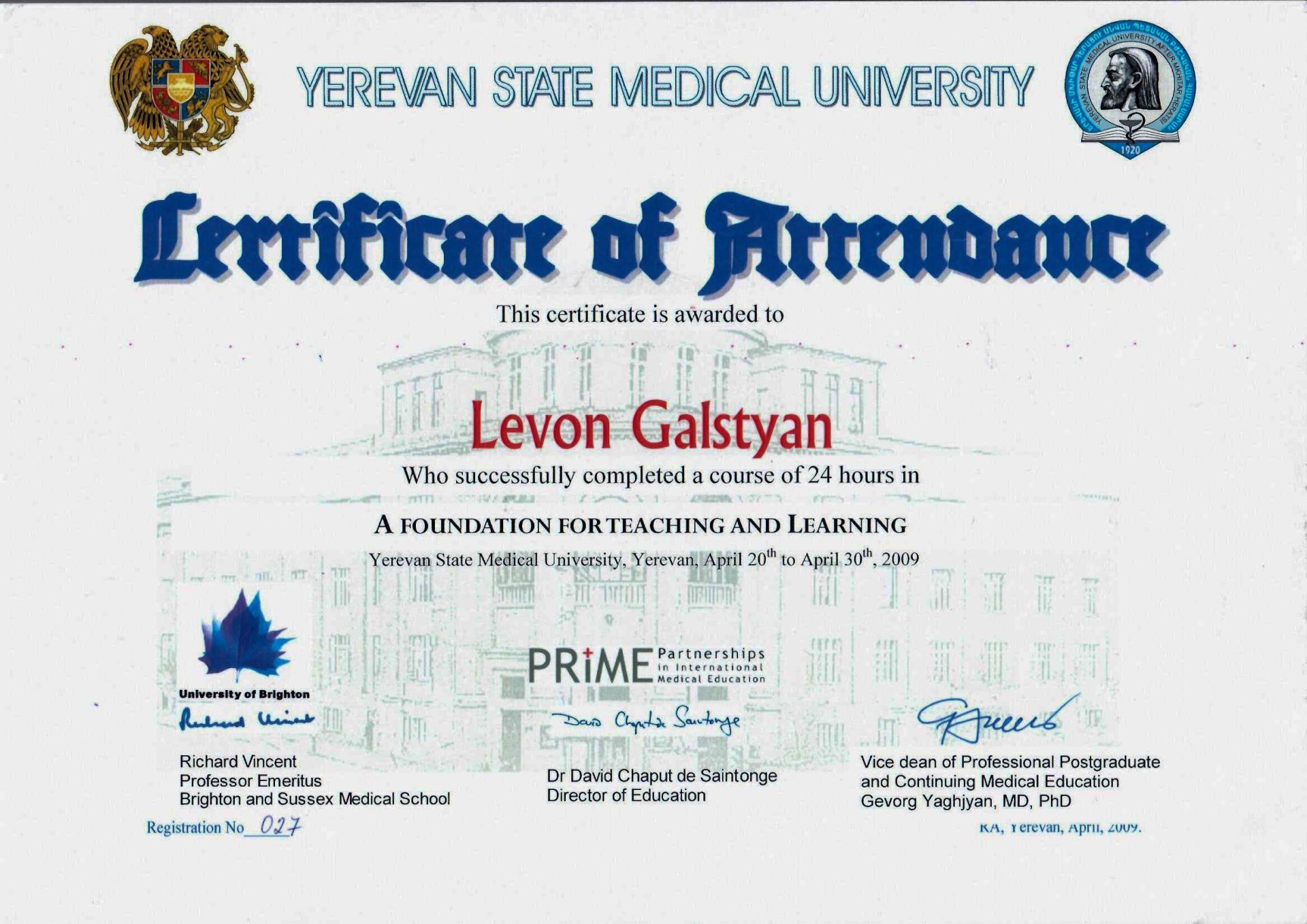
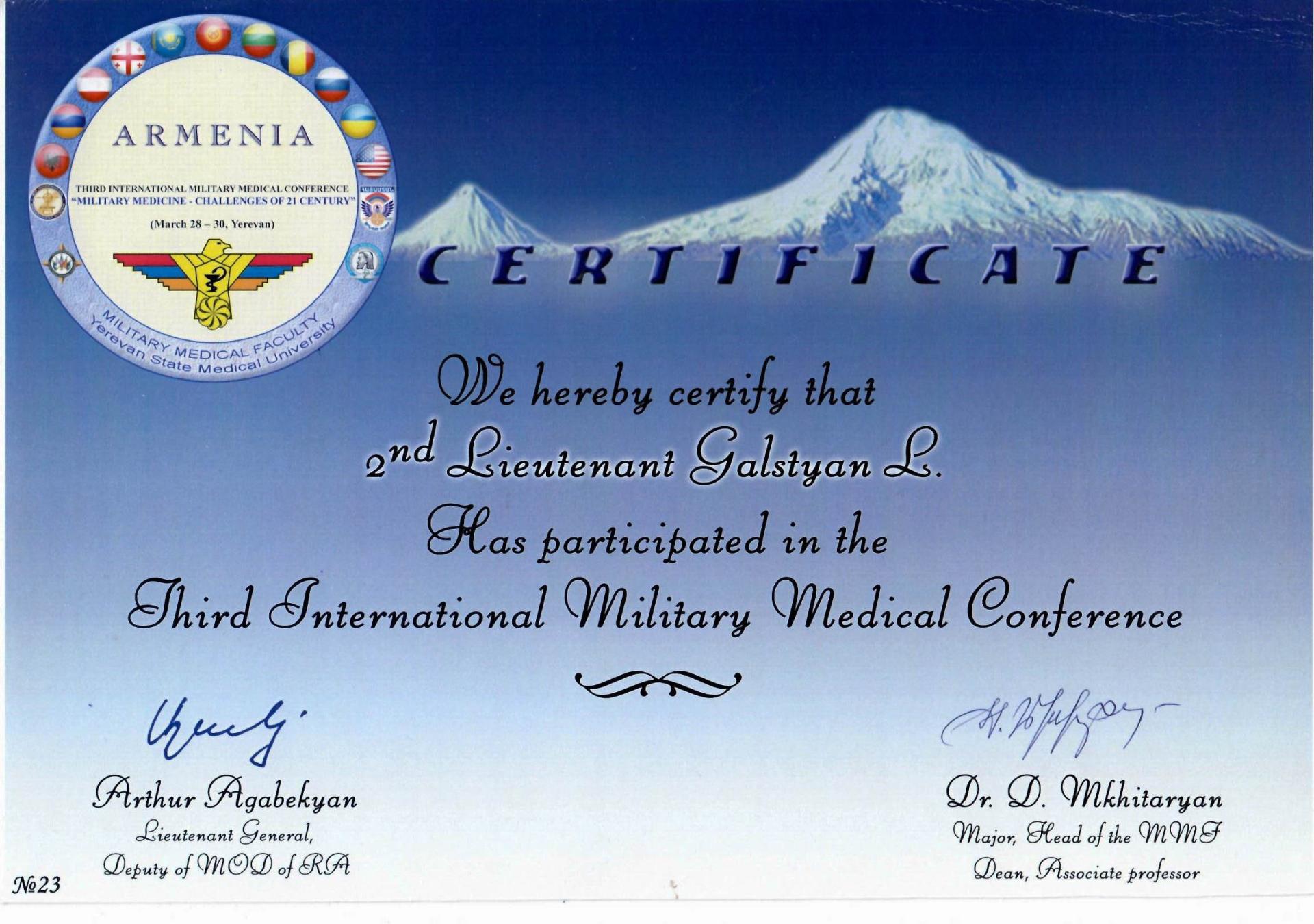
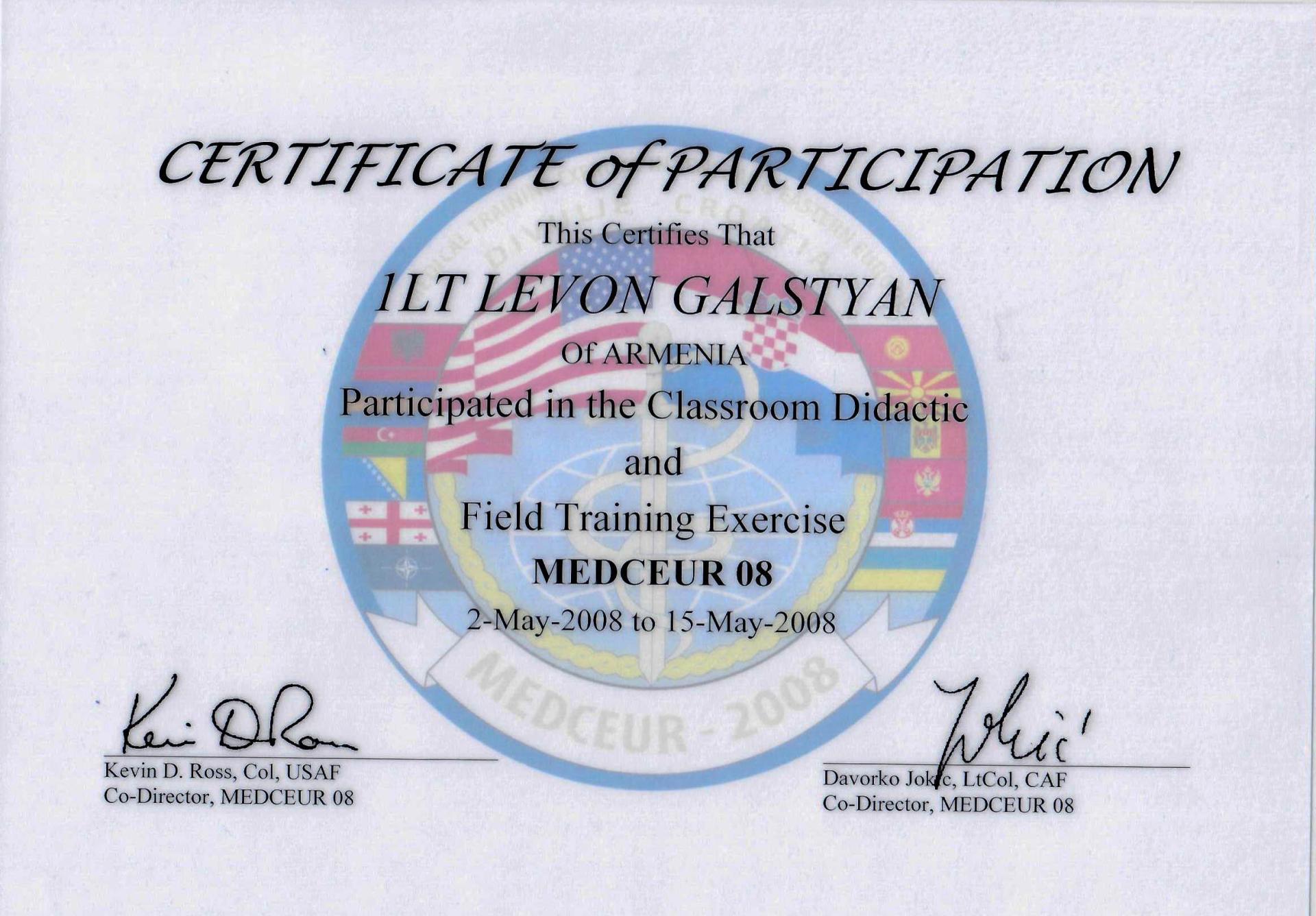
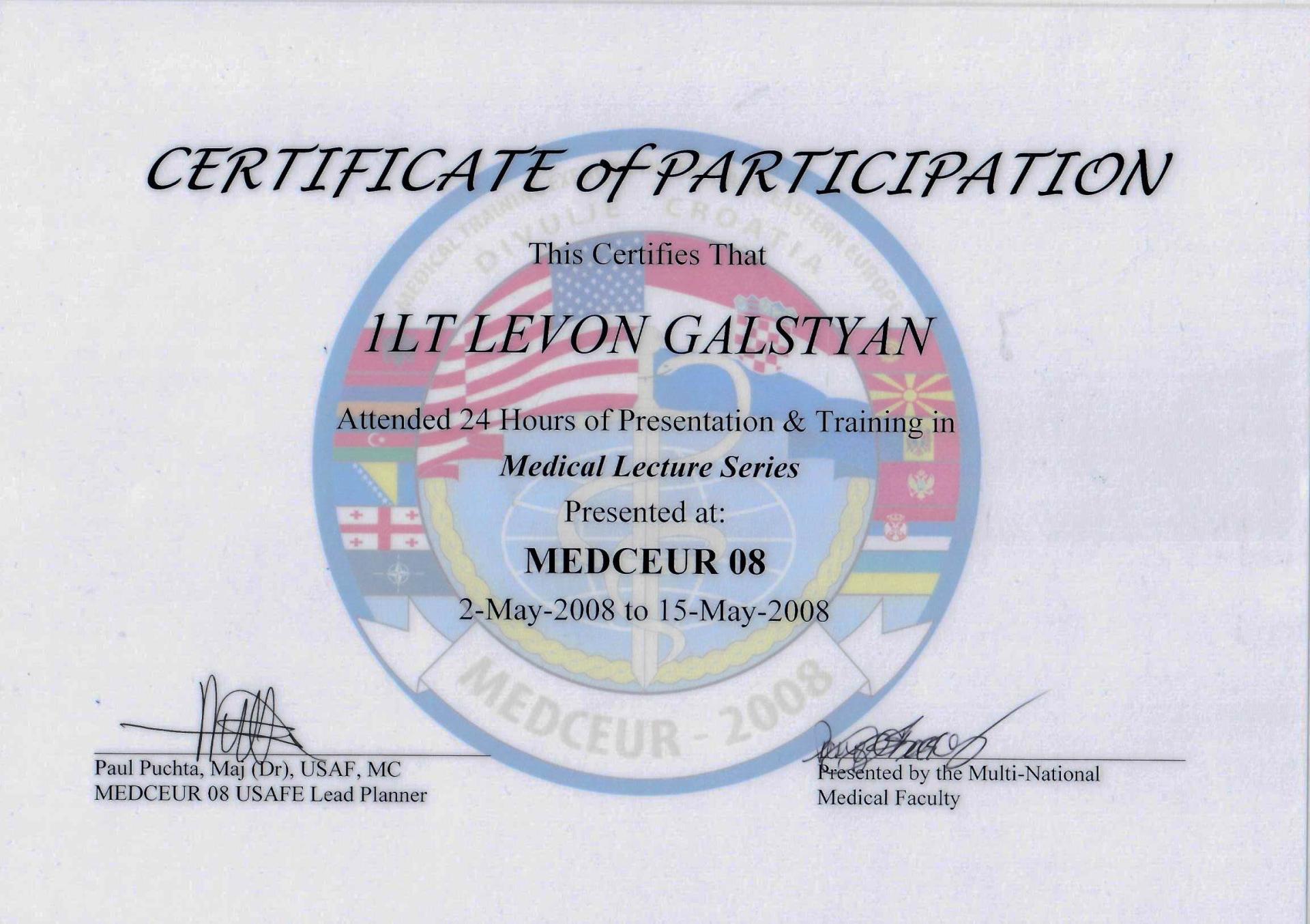
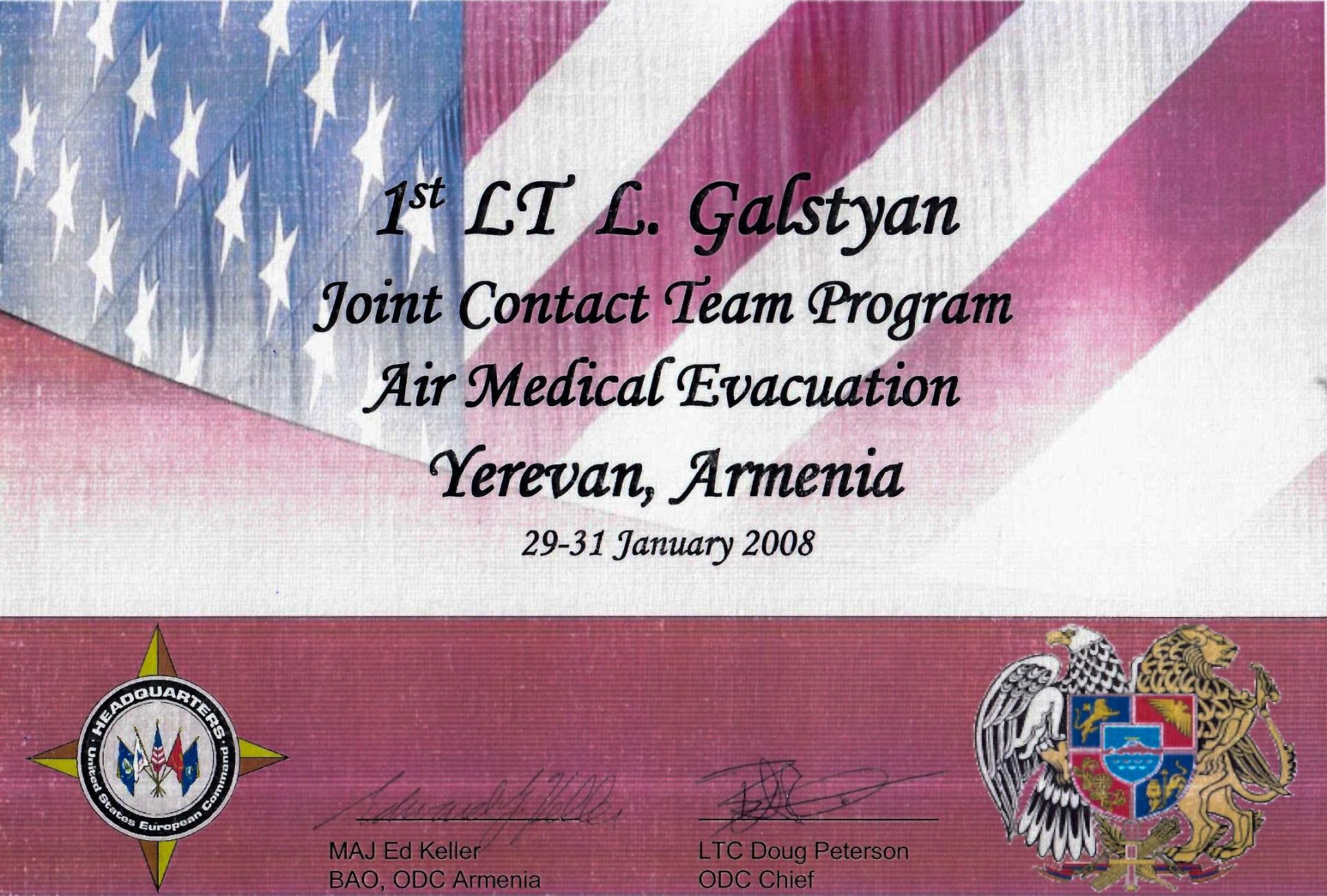
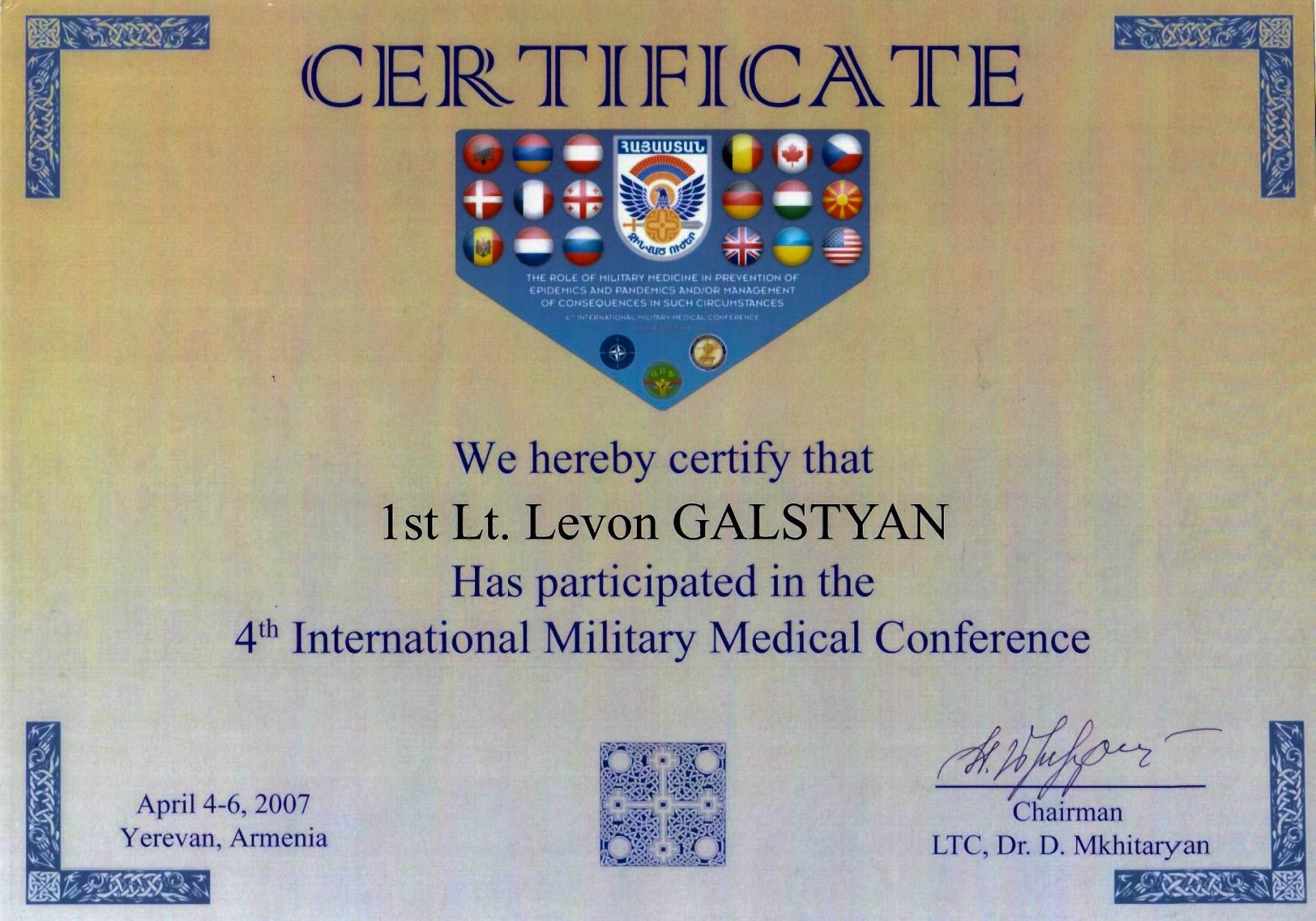
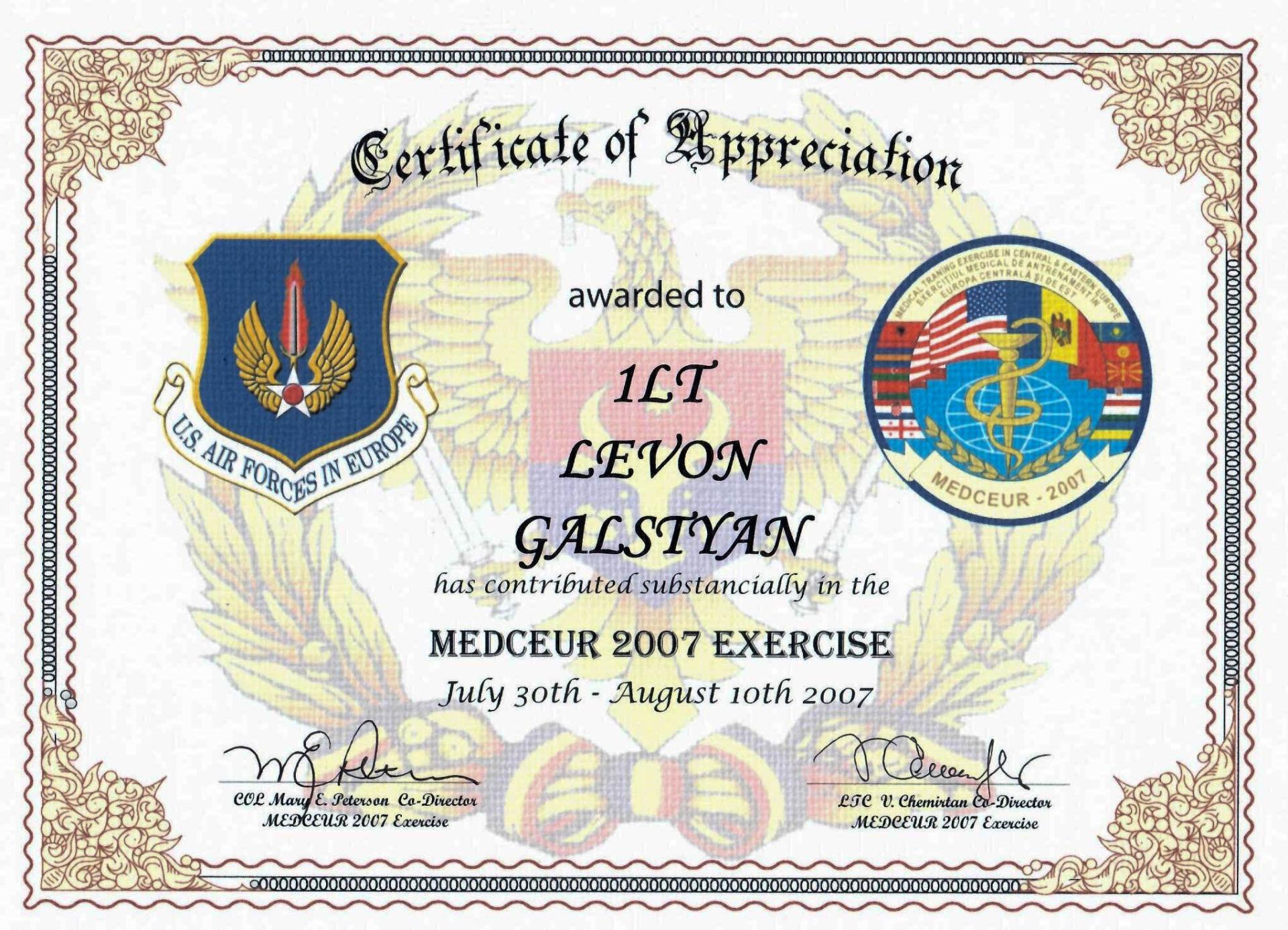
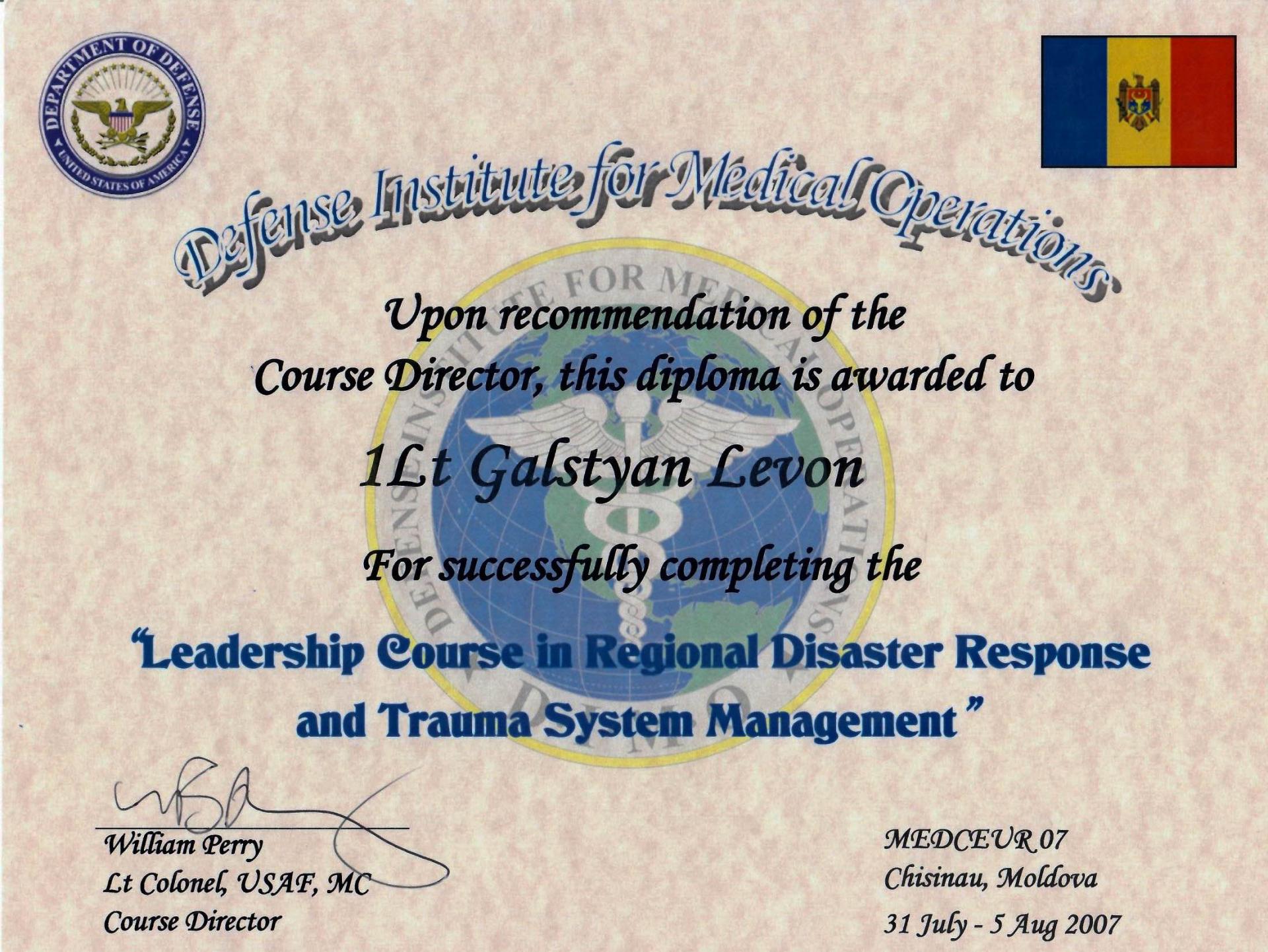
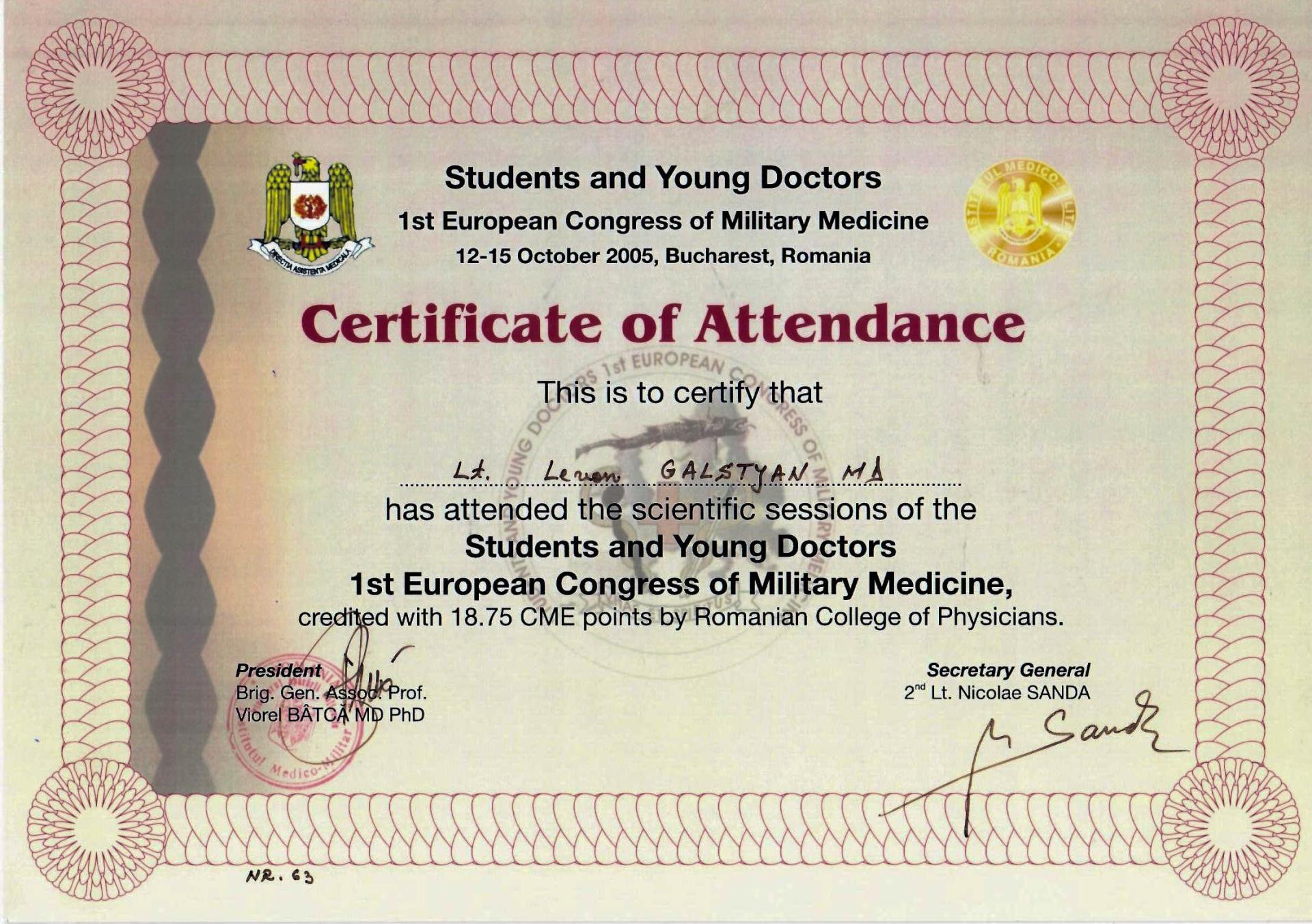
Dr. L. Galstyan is a distinguished Oral and Maxillofacial Surgeon, known for his expertise in advanced surgical techniques, including dental implants, functional endoscopic sinus surgeries, and aesthetic facial procedures. He has a vast experience in treating complex traumas, such as gunshot and explosive injuries, as well as managing neoplasms and inflammatory diseases of the face. Dr. Galstyan is also a dedicated educator, imparting his knowledge and modern surgical approaches to students at the university level and clinical physicians. In addition to his clinical and teaching roles, Dr. Galstyan is at the forefront of incorporating contemporary digital technologies into his practice. This includes the use of 3D printing for precise surgical planning and the creation of custom implants, virtual surgical planning to enhance the accuracy of procedures, and the application of artificial intelligence for diagnostic and treatment planning purposes. His innovative and patient-centered approach, combined with his utilization of cutting-edge technologies, ensures that each patient receives personalized and advanced care, further establishing his esteemed reputation in the field of oral and maxillofacial surgery.
Biography
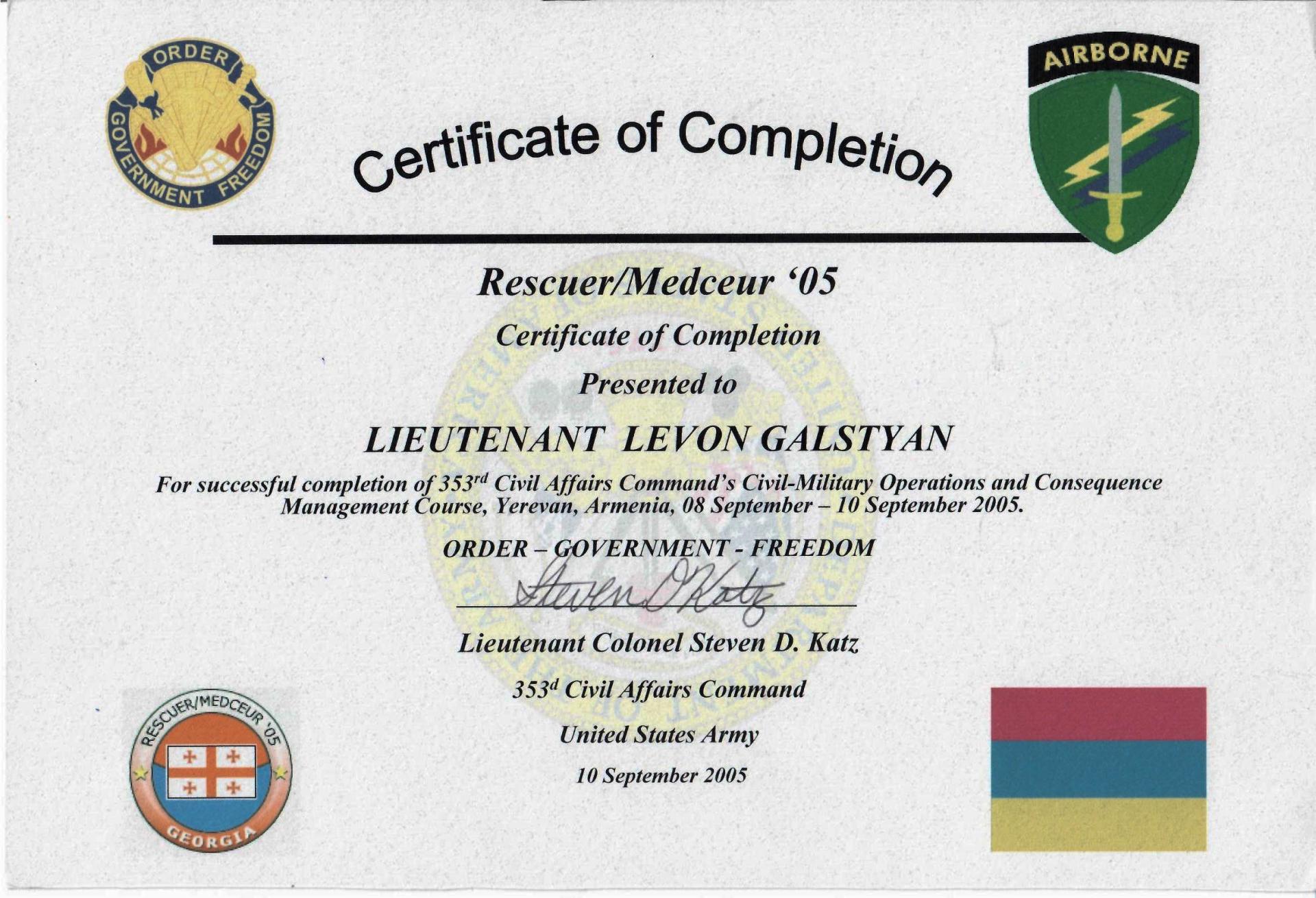
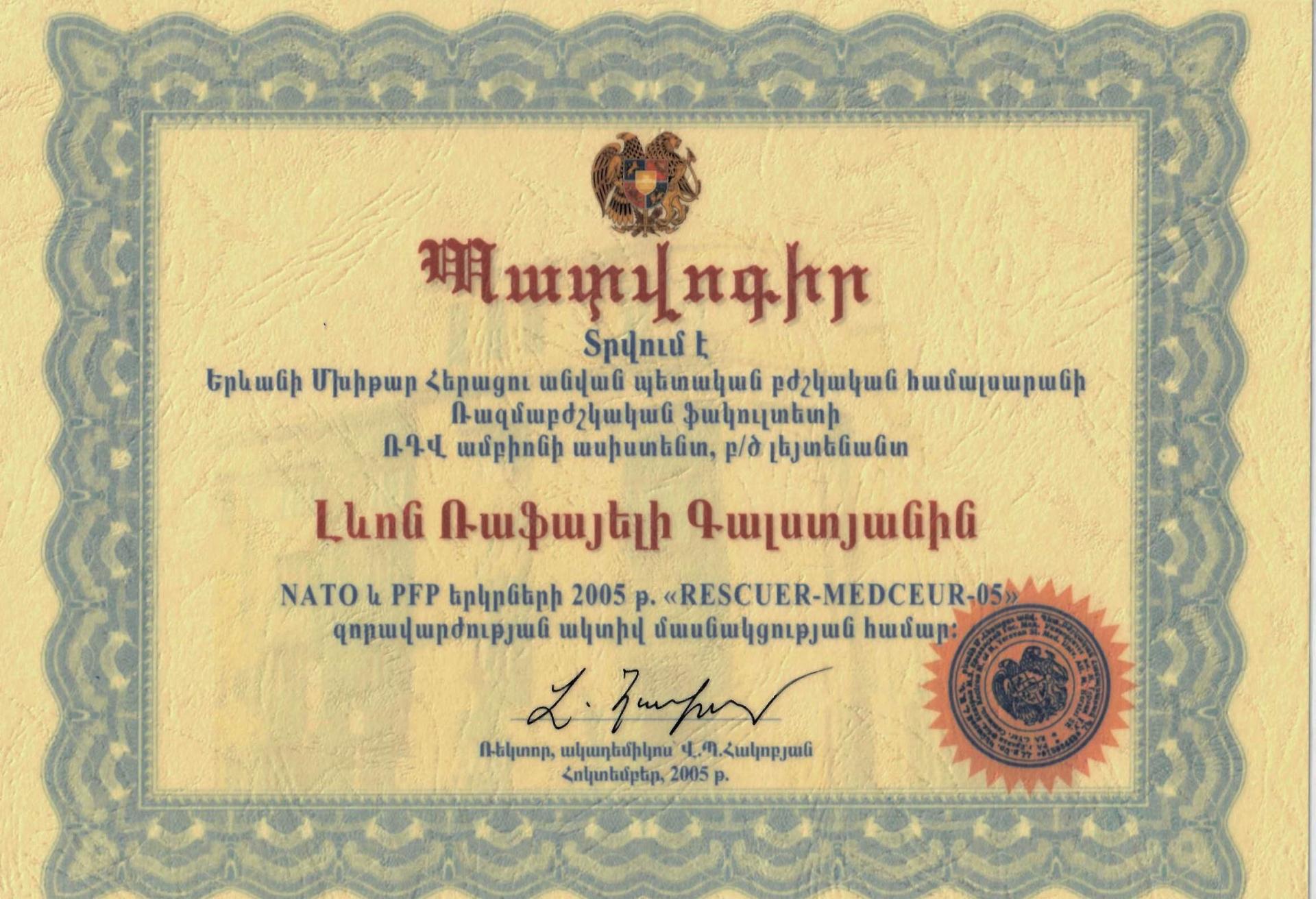
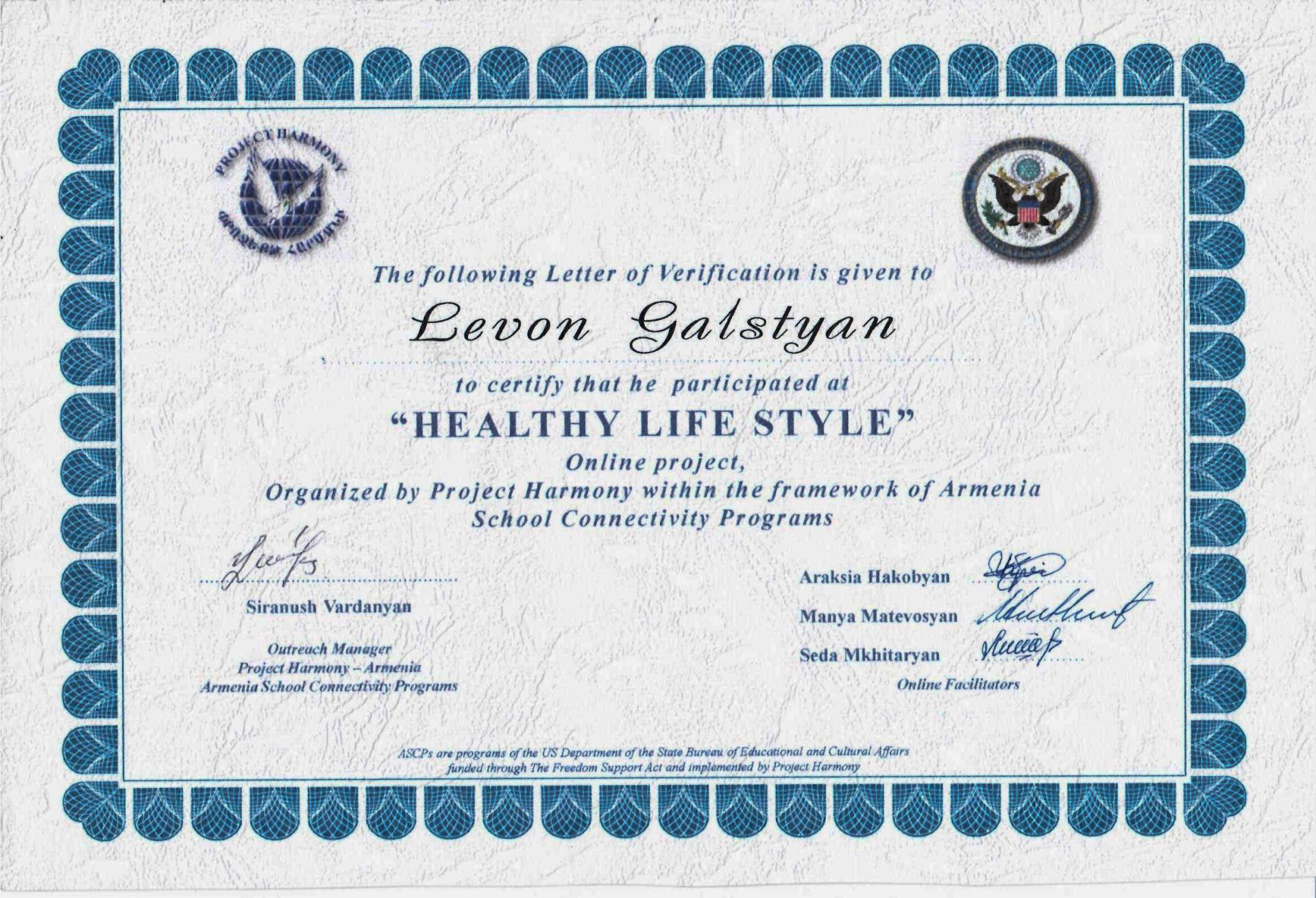
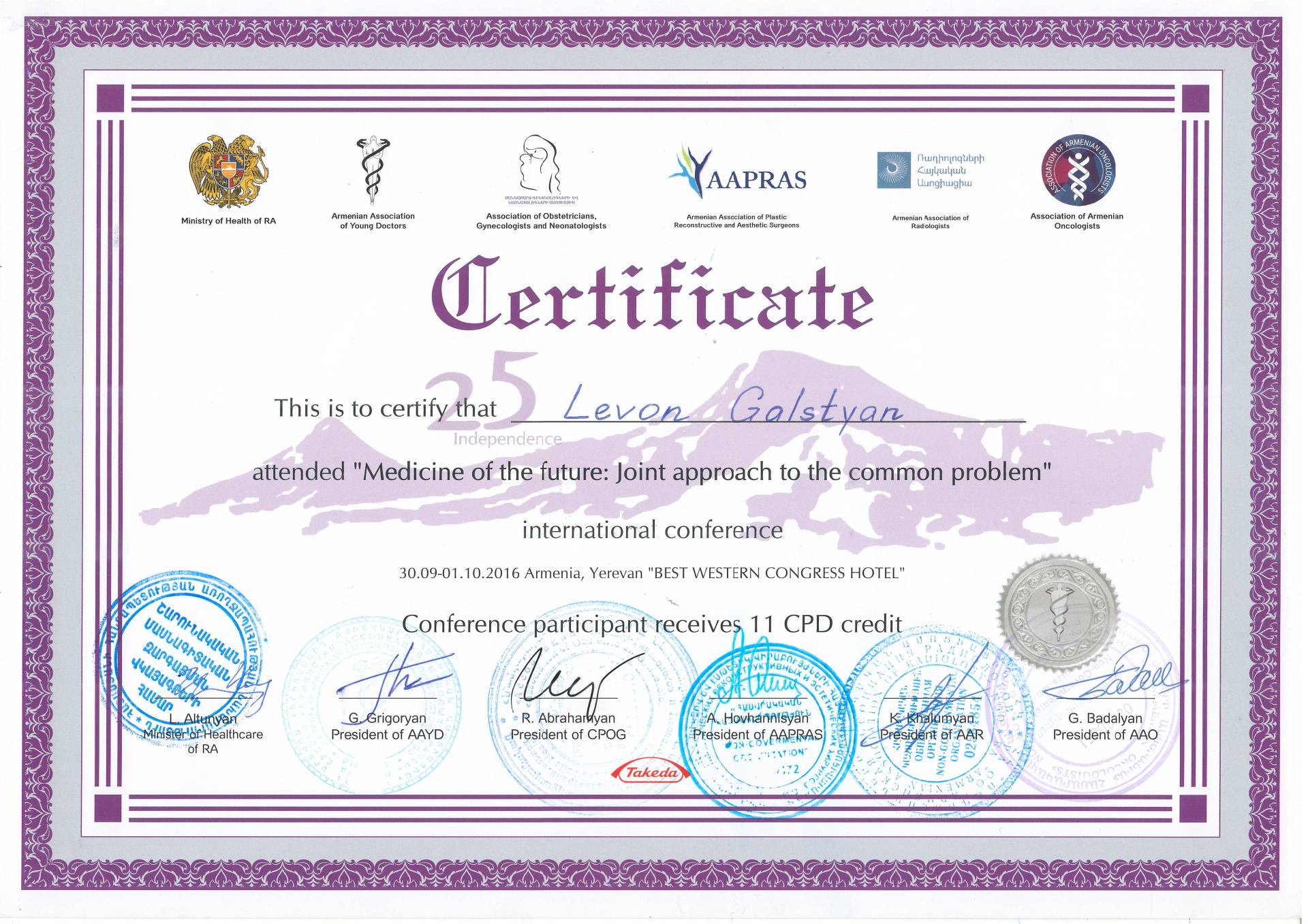
Born into a family of physicians and radio physicists, Doctor Levon Galstyan grew up immersed in a blend of medicine and technology, which has shaped him into a prominent and dedicated professional in the field of modern and committed healthcare.
Services
FAQ
1. Bleeding Light bleeding or blood-tinged saliva is possible during the first 24 hours. If necessary, gently bite on a sterile gauze pad for 20–30 minutes. Do not spit or rinse your mouth during the first 12 hours. 2. Pain and Swelling Take prescribed painkillers (usually ibuprofen or paracetamol) strictly as directed. Apply a cold pack to your cheek for 15 minutes with breaks, during the first 6–8 hours. Swelling typically peaks on days 2–3, then subsides. 3. Oral Hygiene First 24 hours: – Do not rinse or brush the surgical area. – Gently brush other teeth with a soft brush, avoiding the surgical site. From day 2: – Carefully clean teeth with a soft/ultrasoft brush, avoid injuring the wound. – After meals, rinse with 0.12–0.2% chlorhexidine (or other antiseptic recommended by your doctor) twice a day for at least 7 days. – Do not use alcohol-based mouthwashes. – Do not use irrigators or dental floss in the implant area until sutures are removed and permitted by your doctor. After suture removal (day 7–14): – Gradually return to normal hygiene, using a soft brush. – Use special interdental brushes if recommended by your doctor. Important: – Do not touch the implant area with your hands and do not suck the wound. – Do not use abrasive or whitening toothpastes. – Keep the implant area clean after each meal. 4. Nutrition Eat only soft, cool or warm food for the first 3–7 days. Avoid hot, spicy, acidic foods, alcohol, and carbonated drinks. Do not chew on the operated side for at least 1–2 weeks. 5. Physical Activity Avoid physical exertion, baths, saunas, swimming, and sun exposure for the first 5–7 days. 6. Smoking and Alcohol Do not smoke or drink alcohol for at least 2 weeks after surgery — the risk of complications increases 3-fold! 7. Warning Signs — When to See a Doctor Contact your doctor immediately if: – Bleeding does not stop for more than 2 hours – Swelling increases after 3 days – Temperature rises above 38°C, severe pain, or pus appears – The implant is loose or sutures fall out 8. Follow-up Visits Mandatory check-up in 7–10 days or as advised by your doctor. Follow all individual recommendations.
Nasal care: Do not blow your nose or insert any objects into your nostrils for at least 2 weeks. If you need to sneeze, do so with your mouth open and avoid forceful nasal sneezing to prevent pressure on the healing area. Use saline nasal rinses or sprays 2–4 times daily as recommended by your doctor to keep the nasal passages clean and promote healing. Position: Sleep with your head elevated (use 2 pillows or a wedge) for 7–10 days after surgery. This helps reduce swelling and congestion. Environment: Avoid dusty, smoky, or crowded places, as these can irritate the nasal passages and increase infection risk. Stay away from allergens and sudden temperature changes. Activity: Do not swim, dive, or travel by plane for at least 2 weeks after surgery. Avoid heavy lifting, strenuous exercise, bending over, and other vigorous activities that can raise pressure in the nasal area. Sneezing: If you feel the urge to sneeze, always sneeze with your mouth open and do not pinch your nose. This reduces strain on the healing tissues and lowers the risk of bleeding or graft displacement. Smoking & Alcohol: Do not smoke or use tobacco products for at least 2 weeks, as smoking significantly delays healing and increases complications. Avoid alcohol for at least 1 week, as it promotes swelling and bleeding. Medications: Take all prescribed medications (antibiotics, steroids, nasal sprays) exactly as directed by your doctor. Do not use any over-the-counter nasal decongestants or sprays unless specifically instructed. Monitoring: Seek immediate medical attention if you experience persistent or severe bleeding, high fever (>38°C), worsening or sudden swelling, vision changes, severe headache, pus-like discharge, or any other unusual symptoms.
RECOVERY TIMELINE First days (1–5) – swelling of the cheek, mild pain, nasal congestion. Possible slight bleeding from nose or mouth. Week 1 – swelling decreases; sutures removed around day 7–10. Return to normal routine is usually possible. Weeks 2–4 – healing stabilizes; sinus membrane recovers. Months 4–6 – bone graft matures; implant placement or full integration. IMPORTANT RULE – PROTECT THE SINUS Avoid any pressure inside the sinus during the first 2 weeks. WHAT TO AVOID Do not blow your nose. Do not sneeze with a closed mouth. Avoid straws, forceful spitting, heavy lifting. Avoid flights and altitude changes. Do not smoke. WHAT TO DO Sleep with head elevated (first 2–3 days). Apply cold compresses (first 24–48 hours). Eat soft, lukewarm food. Maintain gentle oral hygiene. Use prescribed medications (antibiotics, sprays, rinses). RECOVERY SUPPORT Avoid alcohol for 1 week. Avoid intense physical activity for 2 weeks. Follow all scheduled visits. WHEN TO CONTACT YOUR SURGEON Persistent bleeding. Increasing swelling or pain. Fever. Fluid passing between mouth and nose. Unpleasant taste or smell. OUR APPROACH 3D CBCT-based planning. Minimally invasive techniques. Predictable bone regeneration. Option for simultaneous implant placement. Experience in complex cases. Care in Armenian, English, Russian.
The optimal time for scheduling surgery considers both the day of the operation and the recovery period. It's advisable to avoid extreme weather conditions, such as the summer heat or winter cold, during recovery. Ultimately, the best time for surgery should accommodate your lifestyle and planned activities, with a preference for avoiding the summer's extreme heat.
Nasal care: Do not blow your nose for at least 10 days. Sneeze with your mouth open. Position: Sleep with head elevated on two pillows for one week. Nasal hygiene: Use saline spray or irrigation as prescribed. Hygiene restrictions: Avoid hot showers and saunas for one week. Activity: No strenuous exercise, swimming, or bending for 2 weeks. Smoking & Alcohol: Do not smoke for at least 2 weeks. No alcohol for at least 1 week. Medications: Take all prescribed medications, including nasal ointments. Monitoring: Report persistent bleeding, high fever, or worsening pain to your surgeon.
Oral hygiene: Do not rinse or brush the surgical area for the first 24 hours. Cold therapy: Apply a cold pack to the cheek, 20 minutes on and 20 minutes off, during the first day. Diet: Eat only soft, cool foods for 2–3 days; avoid hot, spicy, and hard foods. Restrictions: Do not use straws, spit, or make vigorous sucking movements. Brushing: Resume gentle brushing after 24 hours, avoiding the surgical area. Mouth rinses: Begin saltwater or prescribed rinses 24 hours after surgery. Smoking & Alcohol: Do not smoke or use tobacco for at least 1 week, preferably 2 weeks. Avoid alcohol for at least 3 days, ideally 1 week. Medications: Take all prescribed medications as directed. Monitoring: Report any persistent bleeding, swelling, or fever to your doctor.
RECOVERY TIMELINE First week – mild discomfort, nasal congestion, swelling, and possible bruising around the eyes. Splint and internal supports are usually removed on day 6–8. Weeks 2–4 – swelling and bruising continue to subside; breathing improves gradually. Most patients return to non-strenuous work and daily activities after 10–14 days. Months 1–3 – swelling significantly decreases; skin sensation and nasal tip flexibility begin to normalize. Months 3–12 – final nasal contour refines; mild swelling at the tip may persist for up to a year, especially in thicker skin types. CARE INSTRUCTIONS Keep the nasal splint or cast dry and undisturbed until removed by your surgeon. Sleep on your back with your head elevated for at least 2 weeks to reduce swelling. Avoid wearing glasses or sunglasses on the nasal bridge for 6 months; use special supports or taping methods if needed. Refrain from bending forward, lifting heavy objects, or engaging in intense physical activity for at least 3 weeks. Avoid hot showers, steam rooms, and saunas for the first 3 weeks to minimize swelling risk. Do not smoke or use nicotine products for at least 3–4 weeks, as they delay healing. Avoid alcohol for 1–2 weeks, as it may increase swelling and interfere with medications. Protect your nose from direct sun exposure with SPF 30+ or higher for at least 3 months; UV can cause prolonged redness and swelling. Take all prescribed medications exactly as directed, including saline nasal sprays if recommended. Attend all follow-up visits for timely removal of sutures, splints, or internal supports. Contact your surgeon immediately if you experience severe pain, rapid swelling, persistent nosebleeds, vision changes, or high fever.
Bleeding control: Gently bite on gauze for 30–60 minutes; replace as needed. Diet: Only soft, cool, non-spicy foods for at least 3 days. Avoid seeds, nuts, and sticky foods. Oral hygiene: No rinsing, spitting, or using straws for 24 hours. After 24 hours, gently rinse with salt water 2–3 times daily. Cold therapy: Apply an ice pack to the cheek (20 min on/off) during the first 6–12 hours. Smoking & Alcohol: No smoking for at least 3 days, preferably one week or more. No alcohol for at least 3 days, ideally one week. Medications: Take prescribed painkillers and antibiotics. Activity: Avoid intense physical activity for 2–3 days. Monitoring: For persistent bleeding, severe pain, or limited mouth opening, contact your dentist.
Modern medicine effectively manages pain through various relief methods, ensuring a comfortable postoperative period. While some discomfort may persist, it's important to communicate any discomfort to your doctor.
Complications vary based on the surgery type, individual health, lifestyle, and unforeseeable factors like infections. These are discussed on a case-by-case basis.
Many oral and maxillofacial surgeries can be performed under local anesthesia. However, general anesthesia may be preferred for its psychological benefits and to allow surgeons to concentrate fully on the procedure. Pre-surgery examinations minimize anesthesia risks.
Staying in touch during recovery is essential. You can contact the surgeon through provided contact details for any concerns or questions.
In the medical process, the term "warranty" is more of a marketing concept than a medical one. In reality, the outcome of treatment depends on the surgeon's actions, the patient's post-operative care, the body's response, lifestyle factors, and environmental influences (such as infections) that the doctor cannot predict. Experts work with international medical guidelines that statistically provide the highest success rates.
Surgical interventions are necessary for conditions indicated for surgery, just as pharmacological treatments are for their respective conditions.
The cost of surgical interventions and the number of implants needed are determined after a clinical examination and additional diagnostics. Treatment plans, including costs and options, are discussed with the patient, who then chooses the most suitable option.
Cosmetic surgery outcomes are planned with the patient's preferences in mind, including photomodeling and discussion of expectations. Patient-provided photos and examples are considered in the planning process.
The quality and cost of dental implants depend on the manufacturer and the specific type of implant, as different companies often offer various price ranges for the same product."
The outcome of any cosmetic surgery is planned with the surgeon, tailored to the individual's unique preferences. The surgeon conducts photo modeling, which is then discussed with the patient to review potential results and expectations. This collaborative stage is crucial and takes into account any images or examples provided by the patient
Modern medicine today allows for various interventions to be performed. The postoperative period can also be painless, limited only to mild discomfort, thanks to the correct application of medications. Any type of pain and intensity is quickly relieved by the appropriate use of medications."
As mentioned, modern medicine today allows for various interventions to be performed with minimal discomfort. The post-operative period can also be relatively painless, thanks to the proper use of medications, limited only to a slight discomfort. Any pain during the procedure can be quickly alleviated with the appropriate medications.
The country of manufacture for dental implants does not necessarily reflect their quality or characteristics. To simplify discussions, classifications by the country of production are used by dentists. For more precise information, it's essential to consider the implant manufacturer and the specific type of implant, as the same company may offer implants in various price segments (budget, mid-range, and premium).
Diet: Prefer soft, non-chewy foods. Avoid hard, crunchy, or sticky foods. Cut food into small pieces. Jaw activity: Limit wide mouth opening, yawning, and avoid chewing gum. Heat/cold therapy: Apply warm compresses to the affected joint 2–3 times a day, or use cold packs if swelling is present. Stress management: Practice relaxation techniques to reduce jaw tension. Monitoring: If you experience persistent pain, joint locking, or limited mouth opening, consult your doctor or maxillofacial specialist.
RECOVERY TIMELINE First week – mild swelling, tightness, tearing, and light sensitivity are normal. Cold compresses help reduce swelling. Stitches are usually removed on day 5–7. Weeks 2–4 – bruising fades, swelling decreases, and most patients return to work or daily activities within 10–14 days. Contact lenses may be worn again after 2 weeks if comfort allows. Months 1–3 – incision lines gradually fade; mild residual swelling or firmness may persist. Months 3–6 – final contour and smoothness of the eyelids become visible. CARE INSTRUCTIONS Keep the incision area clean and dry for the first 48 hours. Apply prescribed ointment or drops as directed to prevent dryness and infection. Use cold compresses intermittently for the first 2–3 days to control swelling and bruising. Sleep with your head elevated for at least 2 weeks to reduce periorbital swelling. Avoid rubbing or pulling the eyelids. Refrain from bending forward, lifting heavy objects, or doing strenuous activity for 2 weeks. Do not use contact lenses for at least 2 weeks after surgery. Avoid makeup on the eyelids until cleared by your surgeon (usually after 10–14 days). Protect your eyes and incision sites from sun exposure with sunglasses and SPF 30+ for at least 3 months. Do not smoke for 3–4 weeks, as nicotine impairs wound healing. Avoid alcohol for 1–2 weeks after surgery. Take all prescribed medications exactly as directed. Attend all follow-up visits for suture removal and wound evaluation. Contact your surgeon immediately if you experience severe pain, vision changes, bleeding, or high fever. OUR APPROACH Precise digital planning and anatomical mapping for optimal results. Simultaneous aesthetic and functional correction (e.g., ptosis, dermatochalasis). Microsurgical techniques ensuring minimal scarring and rapid recovery. Experience in complex and revision blepharoplasty. Personalized care in Armenian, English, and Russian.
Schedule a consultation
Please contact me via