Dr. L. Galstyan, an oral and maxillofacial surgeon in Yerevan, specializes in the diagnosis and treatment of salivary gland disorders using precise, minimally invasive techniques. Through advanced surgical methods and evidence-based planning, he relieves pain, swelling, and functional impairment while minimizing tissue trauma. This approach ensures effective clinical outcomes, reduced postoperative discomfort, and a faster return to normal daily activities.
SIALADENITIS – CAUSES, SYMPTOMS, AND TREATMENT
________________________________________
OVERVIEW
Sialadenitis is an inflammatory condition affecting the salivary glands, most commonly the parotid and submandibular glands.
WHAT IS SIALADENITIS?
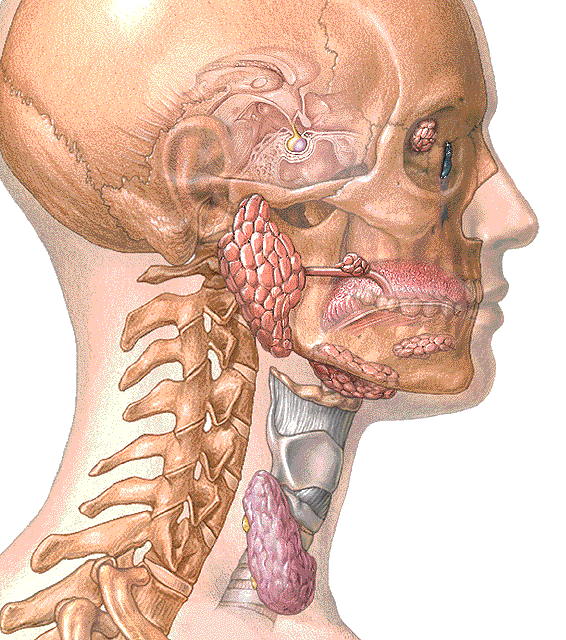
Sialadenitis is the medical term for inflammation of one or more salivary glands. These glands produce saliva, which aids in digestion, swallowing, and oral health. The three major salivary glands include:
• Parotid glands – Located in front of each ear.
• Submandibular glands – Found beneath the jaw, at the back of the mouth.
• Sublingual glands – Situated under the tongue, on the floor of the mouth.
In addition to these, there are hundreds of minor salivary glands throughout the mouth and throat. Sialadenitis primarily affects the parotid and submandibular glands and can present as an acute (sudden), chronic (long-term), or recurrent condition.
WHO IS AT RISK?
While sialadenitis can affect anyone, it is most common in adults over 50, particularly those with salivary gland stones. It can also occur in:
• Newborns in their first few weeks of life.
• People recovering from surgery or illness.
• Individuals with dehydration, malnutrition, or weakened immune systems.
IS SIALADENITIS DANGEROUS?
If left untreated, sialadenitis can lead to severe infections that spread to deeper tissues in the head and neck. Seeking medical attention at the first signs of pain, swelling, or fever is essential.
________________________________________
SYMPTOMS AND CAUSES
COMMON SYMPTOMS:
• Swelling and tenderness in the affected gland.
• Fever (when infection occurs).
• Decreased saliva production.
• Pain while eating.
• Dry mouth (xerostomia).
• Swelling in the cheek or neck region.
CAUSES:
• Bacterial or viral infections.
• Dehydration.
• Recent illness.
• Certain medications (e.g., diuretics, antihistamines, beta-blockers).
• Autoimmune conditions like Sjögren's syndrome.
• Poor oral hygiene.
IS SIALADENITIS CONTAGIOUS?
If caused by an infection, it can spread through saliva, sneezing, or coughing. However, if a salivary gland stone is the cause, it is not contagious.
________________________________________
DIAGNOSIS AND TESTS
A healthcare provider diagnoses sialadenitis through a physical exam and medical history. Additional tests may include:
• Ultrasound or CT scans – To detect blockages in the gland.
• Endoscopy – A small camera to examine the salivary ducts.
• Referral to an ENT specialist – For further evaluation.
________________________________________
PREVENTION STRATEGIES
While not always preventable, you can lower your risk by:
• Drinking plenty of water.
• Practicing good oral hygiene.
• Following a healthy diet.
• Avoiding smoking and tobacco products.
________________________________________
OUTLOOK AND PROGNOSIS
Most people recover within a week using conservative treatments. In cases requiring surgery, recovery takes about two weeks. Sialadenitis may recur, but maintaining good oral health and hydration can help reduce the risk.
IS SIALADENITIS LIFE-THREATENING?
If left untreated, the infection can spread to surrounding tissues, leading to severe complications. Seek emergency care immediately if you experience difficulty breathing or swallowing.
________________________________________
WHEN TO SEE A DOCTOR
• If symptoms persist for more than three days.
• If you develop facial swelling or fever.
WHEN TO SEEK EMERGENCY CARE
Seek immediate medical attention if you experience:
• Severe pain and swelling.
• Difficulty swallowing or breathing.
Early diagnosis and proper treatment are crucial to preventing complications and ensuring a full recovery.